ERB’s Palsy Program
PediGym’s Erb’s Palsy Program provides specialized pediatric therapy to support children with Erb’s palsy, a nerve injury affecting shoulder and arm movement often caused during childbirth. Our comprehensive rehabilitation approach helps restore strength, mobility, and functional independence through structured, evidence-based therapy tailored to each child’s developmental needs.
What is ERB’s Palsy?
ERB’s Palsy is a nerve injury that affects a baby’s shoulder and arm, commonly occurring due to birth trauma. It results from damage to the brachial plexus — the network of nerves responsible for controlling arm and hand movement. Parents should identify Erb’s Palsy symptoms in babies early, such as weakness in one arm, limited movement, or an unusual arm position, to ensure timely medical support.
Our specialized program focuses on early diagnosis and customized therapy to restore muscle function, prevent stiffness, and promote healthy nerve recovery. With structured rehabilitation and guided intervention, we aim to improve strength, mobility, and overall arm function for long-term development.
How Our Erb’s Palsy Therapy Works
Comprehensive Evaluation
Your child begins with a detailed assessment to understand nerve involvement, muscle strength, joint range of motion, and functional limitations.
Individualized Therapy Plan
We develop a customized therapy roadmap targeting recovery goals such as improved arm movement, shoulder stability, and coordination.
Pediatric Physiotherapy
Structured exercises focus on gentle stretching, strengthening, and movement patterns to rebuild functional use of the arm.
Occupational Therapy
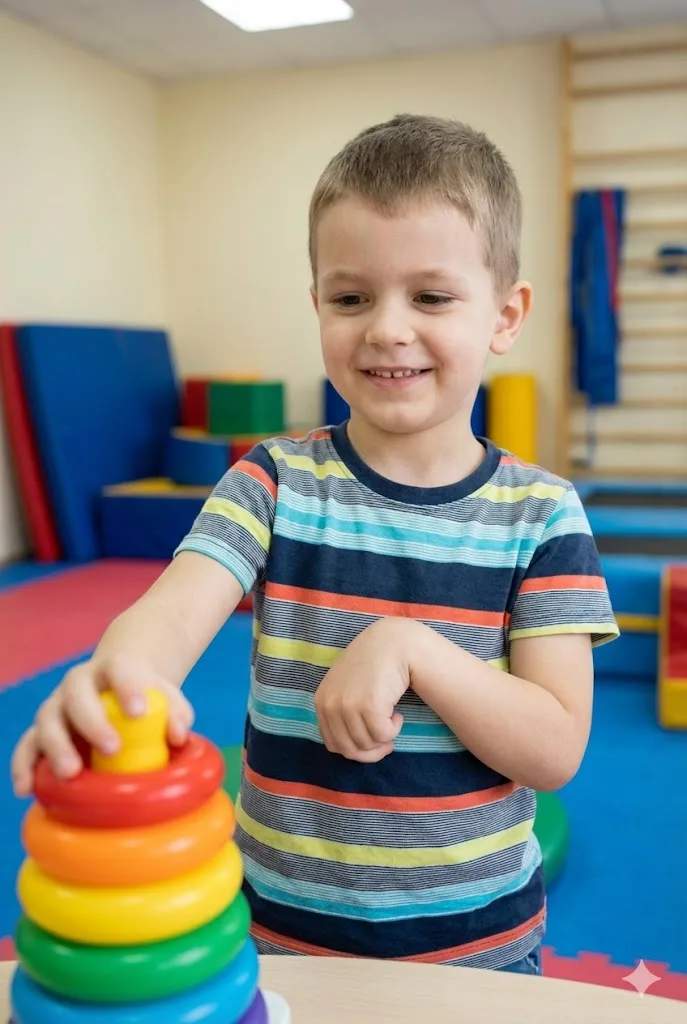
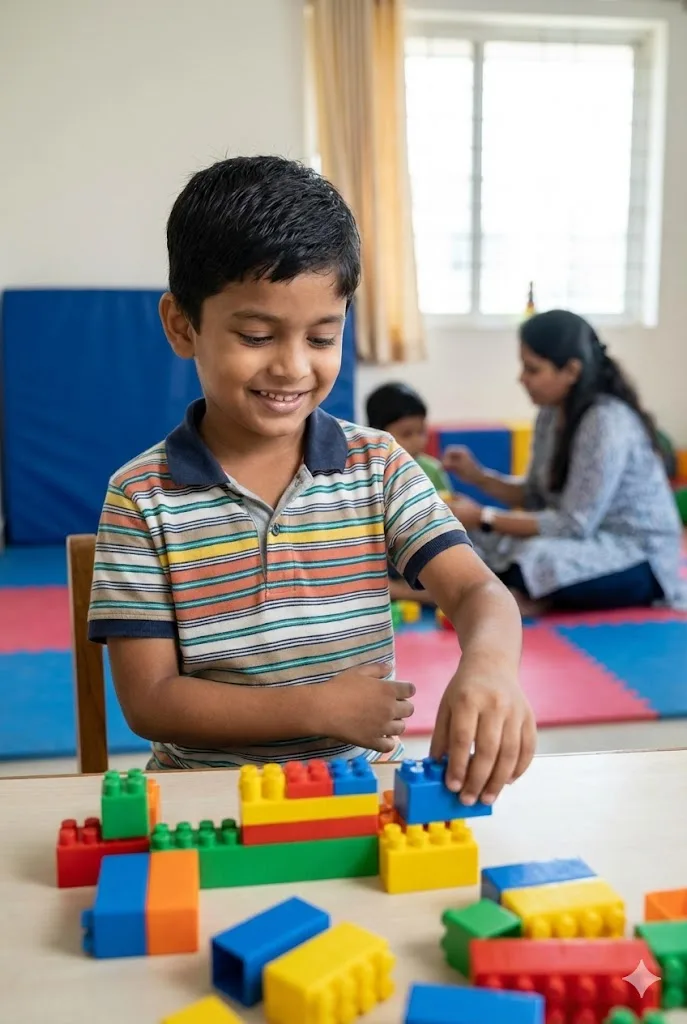
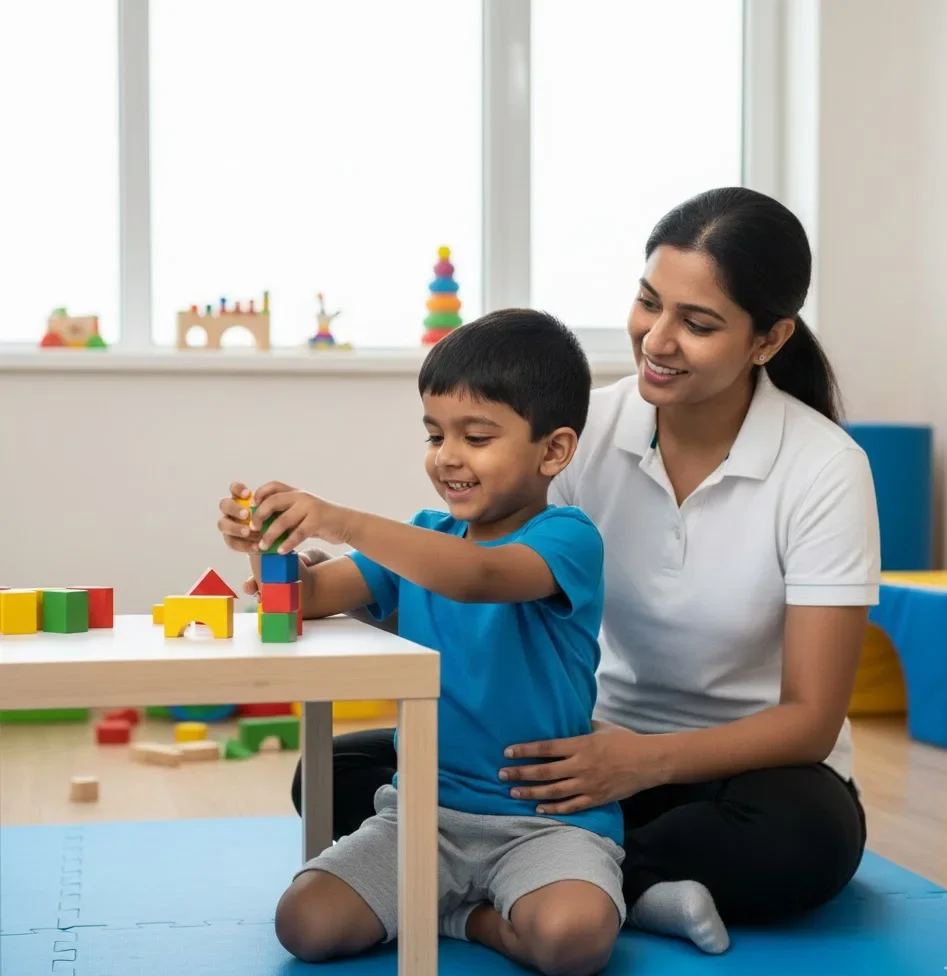
Play-based activities and task-oriented interventions improve fine motor control, grip strength, and everyday tasks like holding objects.
Parent-Led Home Program
Parents are trained to perform safe, guided activities at home to reinforce progress and support developmental gains between sessions.
Why ERB's Palsy Matters?
Erb’s Palsy matters because it can affect a child’s ability to move their shoulder, arm, and hand normally—especially during the early years when motor development is developing the fastest. It usually occurs due to injury to the brachial plexus nerves during birth, which may cause weakness, limited range of motion, or reduced strength in one arm.
Without early support, Erb’s Palsy can impact daily activities like reaching, gripping, crawling, dressing, and playing, and may lead to muscle tightness or joint stiffness over time.

Affects Arm Movement
Erb’s Palsy can cause weakness or loss of motion in the arm, making daily tasks difficult.
Impacts Child’s Development
Limited movement can delay milestones like crawling or grasping objects.
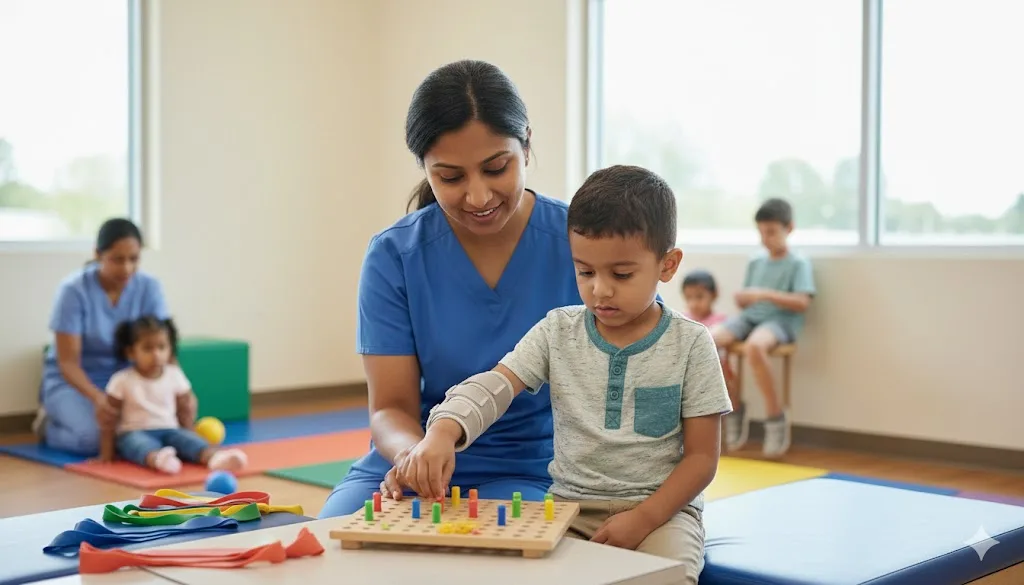
May Require Long-Term Therapy
Regular physiotherapy and care are often needed to improve strength and flexibility.
Early Treatment Helps Recovery
Starting treatment early can greatly increase the chances of regaining movement.
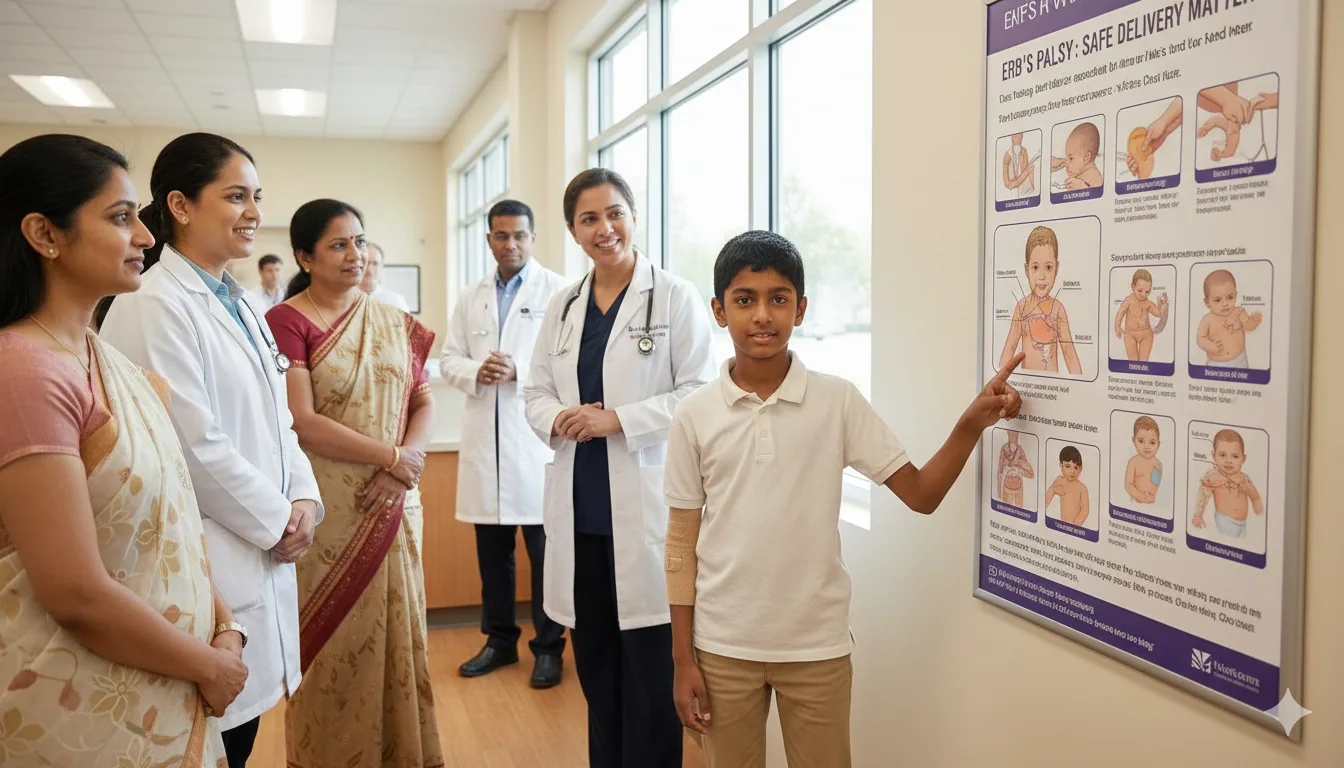
Raises Awareness About Safe Delivery
Understanding Erb’s Palsy encourages safer birthing practices and early diagnosis.
Benefits of ERB's Palsy
Erb’s Palsy plays a key role in improving arm function and preventing long-term stiffness. Since Erb’s Palsy affects the nerves that control the shoulder and arm, early and consistent therapy can help children regain better movement, strength, and coordination as they grow.
Enhanced Arm Strength & Mobility
Improves muscle activation and joint movement to support better functional use of the affected arm.
Improved Shoulder and Elbow Function
Therapy helps restore coordinated movement and range of motion for daily activities.
Better Motor Skills & Independence
Supports smoother transitions through motor milestones and increases confidence in everyday tasks.
Reduced Stiffness & Contractures
Gentle therapeutic exercises prevent stiffness and maintain healthy joint alignment.
Functional Integration
Occupational and play-based therapy help your child use the affected arm in real-life tasks, promoting independence.
Our Erb's Palsy Physiotherapy Treatment Process In Faridabad & Gurgaon
At PediGym, our Erb’s Palsy physiotherapy treatment program in Faridabad and Gurgaon follows a structured, evidence-based pediatric rehabilitation approach designed to improve arm strength, nerve recovery, and functional movement.
Detailed Physical & Neuromuscular Assessment
We begin with a comprehensive evaluation of muscle strength, joint mobility, nerve involvement, reflexes, and functional arm use. This helps us understand the severity of the brachial plexus injury and design a targeted therapy plan.
Electrical Stimulation Therapy
We use pediatric-safe electrical stimulation (neuromuscular electrical stimulation – NMES) to activate weak muscles affected by nerve injury. This helps improve muscle contraction, prevent atrophy, and promote better neuromuscular re-education.
Therapeutic Massage & Soft Tissue Mobilization
Gentle rubbing techniques, soft tissue release, and therapeutic massage are used to improve blood circulation, reduce muscle tightness, prevent stiffness, and maintain healthy joint movement.
Range of Motion & Stretching Exercises
Passive and active range-of-motion exercises are performed to prevent contractures, maintain flexibility, and protect shoulder, elbow, and wrist alignment.
Strengthening & Functional Training
As recovery progresses, we introduce strengthening exercises and task-based activities to improve reaching, grasping, lifting, and coordinated arm use in daily activities.
Frequently Asked Questions
Erb’s Palsy is a brachial plexus nerve injury that commonly affects shoulder and arm movement, especially in infants following birth trauma. It results in weakness or limited motion of the arm due to nerve damage. Our Erb’s Palsy Program combines early diagnosis, customized physical and occupational therapy, gentle strengthening exercises, and functional motor training to safely improve muscle function, flexibility, and coordination — helping children regain strength and confidence in arm use.
Children diagnosed with Erb’s Palsy, especially those showing reduced arm movement, delayed motor milestones, stiffness, or weakness of the affected limb, are excellent candidates for structured therapy. Early intervention — ideally started within the first few weeks to months after diagnosis — significantly increases the chances of improved functional outcomes and prevents long-term limitations.
Our program includes evidence-based interventions such as:
• Physiotherapy for range-of-motion and strengthening exercises
• Occupational therapy to improve hand function and daily skills
• Gentle neural stimulation techniques to support muscle activation
• Home-based exercise plans for consistent progress
These therapies work synergistically to restore motion, promote nerve recovery, and improve functional use of the arm.
It’s best to begin therapy as soon as Erb’s Palsy is diagnosed — ideally within the first few weeks after birth — as early intervention can reduce the risk of stiffness and improve outcomes. The duration of therapy varies depending on severity: some children show progress within a few months, while others may require longer-term support. Regular reassessments allow therapists to tailor the plan for optimal development.
Yes — parent-assisted practice is a cornerstone of effective recovery. Simple guided exercises and stretches taught by your therapist can strengthen muscles, maintain range of movement, and reinforce motor learning throughout daily routines. Consistency, gentle handling, and follow-up with your therapist ensure the best long-term benefits for arm function and overall development.
Specialized Care for
Erb’s Palsy
Book a Consultation Today.
Book a comprehensive assessment at PediGym Child Development Center and unlock your child’s full potential.
DMI Level C Certified
Advanced Pediatric Care
Goal-Oriented Therapy