
Sensory Integration Therapy for Children
At PediGym, our experienced pediatric occupational therapists provide individualized, play-based sensory integration therapy to help children build confidence, independence, and everyday functional skills. We proudly support families across Faridabad and Gurgaon with personalized therapy programs designed around each child’s unique needs.
What Is Sensory Integration Therapy?
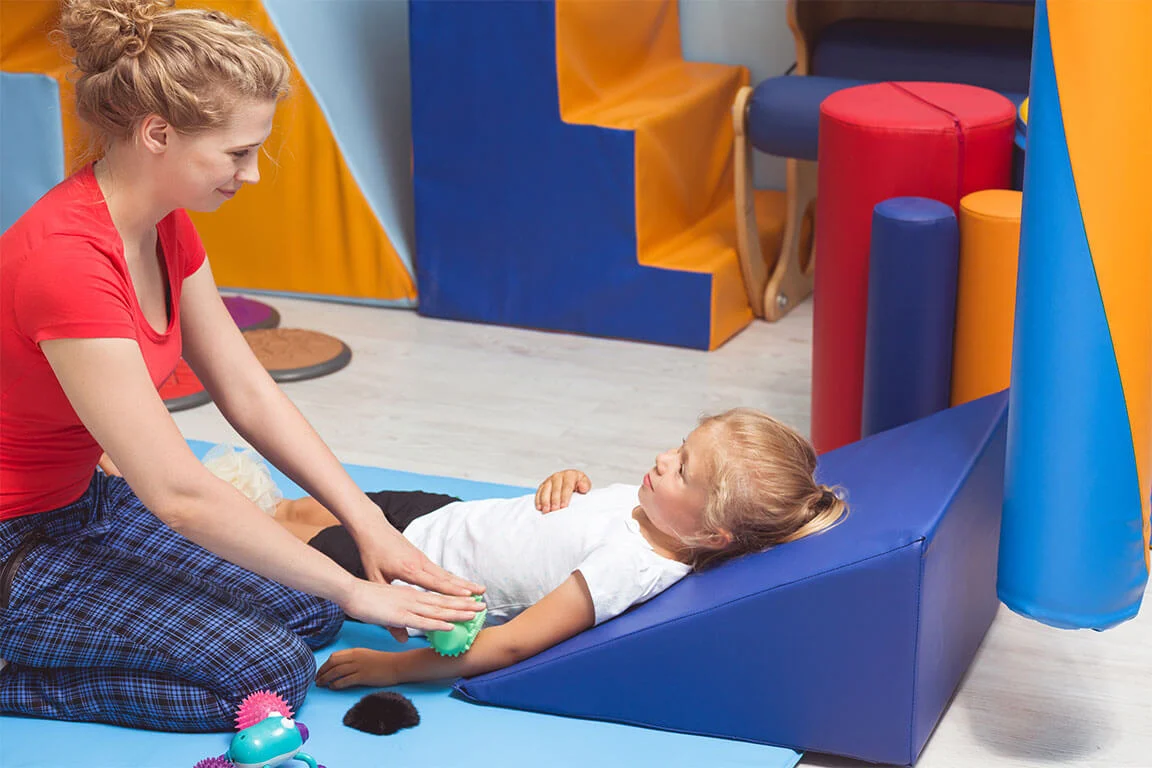
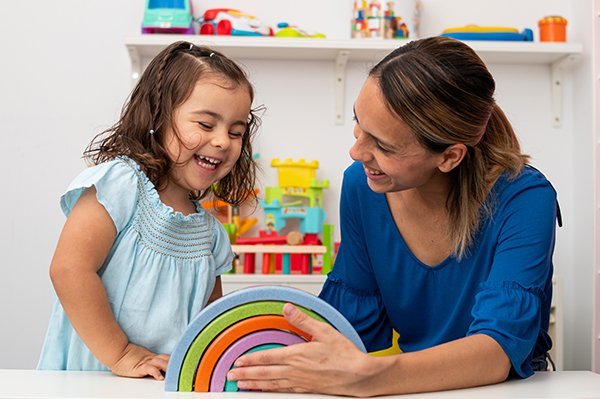
Sensory Integration Therapy (SIT) is a specialized occupational therapy approach that helps children organize and respond to sensory information more effectively. Through structured, play-based activities, children gradually develop the skills needed to participate more comfortably in everyday life. Therapy is always personalized to support each child’s strengths, challenges, and developmental goals.
In sensory integration therapy in Faridabad, trained therapists use guided and sensory play activities that gently stimulate different senses. These activities help the brain learn how to interpret and respond to sensory information in a more balanced way. Over time, this can improve a child’s coordination, attention, behavior, and ability to participate more confidently in daily activities.
Key Areas of Improvement
- Sensory Modulation: Helping children regulate their responses to sensory input, reducing over- or under-sensitivity.
- Sensory Discrimination: Enhancing the ability to distinguish between different types of sensory stimuli (e.g., textures, sounds).
- Motor Planning and Coordination: Improving the brain’s ability to plan and execute coordinated movements.
- Balance and Postural Control: Strengthening stability and body awareness for better movement and posture.
- Emotional and Behavioral Regulation: Supporting self-control and adaptive responses to sensory challenges.



Our Approach to Sensory Integration Therapy in Faridabad & Gurgaon
We offer Sensory Integration Therapy in Faridabad & Gurgaon with a gentle and structured approach to help children improve sensory processing and support their overall growth and development.
Sensory Profile Assessment
We begin with a comprehensive assessment to understand your child's sensory preferences, developmental history, strengths, and everyday challenges. This helps us identify the areas where support is needed most.
Based on the assessment, our pediatric occupational therapists create an individualized therapy plan with goals tailored to your child's specific needs.
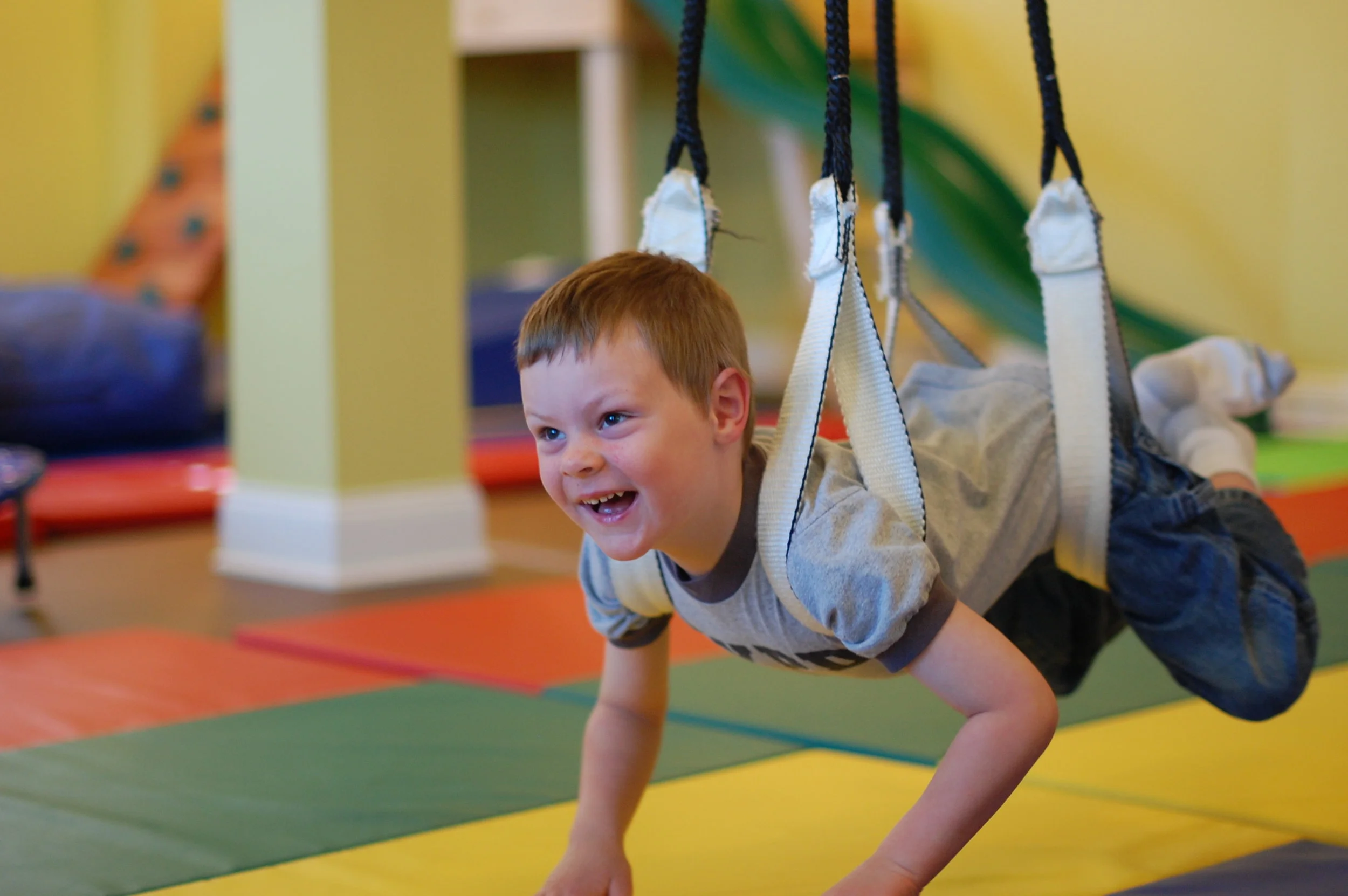
Children participate in engaging activities such as swings, obstacle courses, tactile play, balance exercises, fine motor games, and coordination tasks that encourage sensory development in a fun and motivating way.
As children gain confidence, activities are gradually adapted to improve attention, emotional regulation, balance, coordination, independence, and participation in everyday routines.
Parents receive practical home strategies, activity recommendations, and regular progress updates so children can continue building skills beyond the therapy sessions.



Benefits of Sensory Integration Therapy
Children who participate in SIT often experience:
- Improved sensory processing and tolerance
- Enhanced motor skill activity coordination and balance
- Better focus and attention in school and home
- Increased ability to self-regulate emotions and behavior
- Greater confidence and independence in daily activities
Early intervention is key to helping children build these important skills and improve their quality of life.
What Is Sensory Processing?
Sensory processing is how the brain receives, organizes, and responds to information from the senses—including touch, sight, sound, taste, smell, movement, and body awareness. When these sensory messages are processed effectively, children can comfortably participate in everyday activities such as playing, learning, eating, dressing, and interacting with others. Some children, however, may find it difficult to process sensory information, which can make everyday experiences feel overwhelming or challenging. Sensory Integration Therapy helps children develop more organized responses to sensory input, improving their confidence, participation, and independence in daily life.
Tactile Processing (Touch)
Touch helps children understand and respond to textures, temperature, pressure, and physical contact during everyday activities. When tactile processing is challenging, children may avoid messy play, dislike certain clothing fabrics, resist hugs, haircuts, or nail trimming, or become upset by unexpected touch. These responses can make daily routines more difficult at home and school. Sensory Integration Therapy gradually introduces different tactile experiences through structured, play-based activities, helping children become more comfortable and confident when responding to touch. While many children occasionally show these behaviours, frequent difficulties that interfere with everyday life may benefit from an occupational therapy assessment.
Auditory Processing (Hearing)
Auditory processing helps children understand, organize, and respond to sounds in their environment. It supports listening, following instructions, communicating with others, and filtering out background noise. Children experiencing auditory processing challenges may cover their ears during everyday sounds, become overwhelmed in noisy places, struggle to concentrate when there is background noise, or find it difficult to follow verbal instructions. Through carefully planned sensory activities, occupational therapists help children develop more effective responses to different sound environments. These behaviours can occur in typical development, but if they are persistent and affect daily participation, professional guidance may be helpful.
Visual Processing
Visual processing allows children to understand and make sense of what they see. It supports important skills such as recognizing shapes, tracking movement, reading, writing, and understanding spatial relationships. When visual processing is difficult, children may become distracted in busy environments, avoid bright lights, struggle to locate objects, or find reading and visual tracking more challenging. Sensory Integration Therapy uses engaging visual and movement-based activities to strengthen visual attention and coordination, making everyday learning and play more comfortable. Since occasional visual preferences are common, an assessment is recommended only when these challenges consistently affect daily activities.
Vestibular Processing (Movement & Balance)
Vestibular processing helps children maintain balance, coordinate movement, and understand where their body is while moving. It plays an important role in activities such as walking, climbing, running, sitting upright, and participating in sports or playground activities. Children who have difficulty processing vestibular information may constantly seek movement, enjoy excessive spinning or jumping, become fearful of swings or climbing, or frequently lose their balance. Sensory Integration Therapy provides carefully graded movement experiences that help children improve balance, coordination, body control, and confidence during everyday activities. These behaviours do not automatically indicate a sensory processing difficulty, but an assessment can help determine whether additional support is needed.
Proprioceptive Processing (Body Awareness)
Proprioceptive processing helps children understand where their body is and how it moves without needing to look. This sense supports coordination, posture, motor planning, and the ability to use the right amount of force during everyday tasks. Children experiencing proprioceptive challenges may frequently bump into objects, appear clumsy, use too much or too little force when holding objects, or seek rough play and crashing activities. Sensory Integration Therapy uses activities such as pushing, pulling, climbing, and carrying to improve body awareness, coordination, and motor control. While these behaviours can sometimes be part of normal development, persistent difficulties that affect everyday functioning should be discussed with a pediatric occupational therapist.
Olfactory & Gustatory Processing (Taste & Smell)
Taste and smell processing help children recognize and respond to different flavours and scents, influencing eating habits, food preferences, and safety awareness. Some children may become highly selective about foods, avoid certain smells, refuse unfamiliar tastes, or reject foods because of their texture. These sensitivities can make mealtimes stressful for both children and parents. Sensory Integration Therapy introduces new sensory experiences gradually and in a supportive environment, helping children become more comfortable exploring different foods and everyday smells. Since food preferences vary widely during childhood, an assessment is generally recommended only when these challenges consistently interfere with nutrition, participation, or family routines.
What Parents Say About Us?
Happy parents talk about their child’s amazing progress with PediGym.
Trustindex verifies that the original source of the review is Google.
We are incredibly grateful to Dr. Nitin for the wonderful care he provided during my daughter’s DMI intensive therapy. From the very beginning, he made us feel comfortable, heard, and supported. He is extremely knowledgeable, understanding and he truly knows what he’s doing. He always took the time to explain the process, answer our questions patiently, and help us feel confident and involved in our daughter’s therapy journey. My daughter wasn’t always the easiest to work with, but Dr. Nitin was unbelievably patient with her and so invested in her growth. We saw some amazing gains in short period of time that gave us lots hope and reassurance as parents. The clinic is always clean, well-organized, and professionally managed. The entire team is warm, kind, and extremely supportive. A special mention to Dr. Khushbu, who connected beautifully with my daughter and helped her feel safe, comfortable, and happy in the clinic with her caring and gentle approach.Posted on Google
 Nayana MakkarExcellent! Child Development Center in Delhi NCR. PediGym isn't just a name for pediatric physiotherapy, it's a holistic approach towards your child's mental and physical growth. They've reached milestones in the past and trusted by many happy parents. I highly recommend this place to "Exuberate the potential..." of your kids.Posted on Google
 Prabal VarshneyOne of my close friends took their child with cerebral palsy to Pedigym, and I have personally seen the amazing progress the child has made. The therapies, especially DMI therapy and NDT, are handled with such care and expertise by Dr Nitin and team. The entire team is professional, warm n truly comitted to helping every child reach their potential.. Definitely one of the best pediatric physiotherapy centers in faridabad.. Highly recommended!!Posted on Google
 Rajesh BajajExcellent team of therapists! The therapies at Pedigym are result oriented, professional and delivered with genuine care. My child has shown remarkable progress through DMI therapy and other advanced techniques. Highly recommended to all parents looking for quality pediatric rehabilitation.Posted on Google
 ankur sainiThe clinic is very good and environment of the clinic is very nice and the physiotherapist are very good and well experiencedPosted on Google
 Ritika ChauhanEnvironment of the clinic is very good and the doctors are well experiencedPosted on Google
 Prateek GuptaI have had the privilege of knowing Dr. Nitin both professionally and personally, and I can confidently say that his dedication, compassion, and expertise set him apart. His vision for PEDIGYM reflects not only his professional excellence but also his genuine commitment to improving the quality of life for his patients. Having witnessed his journey closely, I admire the way he blends skill with empathy, always ensuring that every individual receives the care, attention, and guidance they truly deserve. I am certain that he and his team will serve as a beacon of hope and healing for many. Wishing Dr. NITIN and his entire team the very best as they embark on this noble mission. May he continue to grow, touch lives, and create meaningful change in the community.Posted on Google
 iera kaulExcellent Pediatric Physiotherapy Care! We’ve had such a wonderful experience with Dr Nitin and the PediGym team. From the very first session, the team made my child feel comfortable, motivated, and supported. The physiotherapist was incredibly knowledgeable, patient, and caring—always explaining the exercises clearly and tailoring the sessions to meet my child’s unique needs. Keep up the good work ✌️Posted on Google
 Pinki
Pinki
Frequently Asked Questions
Sensory Integration Therapy (SI Therapy) is a therapeutic approach used to help the brain organize, interpret, and respond to sensory information from the environment. It goes beyond the five traditional senses by also addressing movement (vestibular) and body awareness (proprioception) to build stronger neural connections that support daily activities and behavior. Trained occupational therapists use playful, meaningful activities — like balance exercises, tactile exploration, and movement challenges — to support adaptive responses, body regulation, motor planning, and emotional control.
Sensory Integration Therapy is often recommended for children and individuals who struggle with sensory processing — particularly those with sensory defensiveness, sensory seeking behaviors, autism spectrum disorder (ASD), ADHD, developmental delays, or coordination challenges. It can improve how individuals interpret sensory input and respond appropriately, which enhances learning, social engagement, self-regulation, motor skills, and participation in daily life.
Families and clinicians frequently report that Sensory Integration Therapy supports a range of improvements, including:
• Better sensory interpretation and reduced sensory defensiveness
• Enhanced balance, coordination, and motor planning
• Improved focus, attention, and self-regulation
• Increased confidence and social engagement
• More successful participation in school and daily routines
These benefits stem from structured, sensory-rich activities that help the nervous system organize sensory information more effectively.
The length of Sensory Integration Therapy varies depending on individual needs and sensory goals. Some children show noticeable improvements within several weeks of regular sessions, while others may benefit from ongoing therapy over months. Progress is typically evaluated by the therapist through regular assessments and sensorimotor tracking to ensure activities are tailored to optimize outcomes.
Sensory Integration Therapy, particularly Ayres Sensory Integration®, has been widely used for decades and is grounded in neuroscience. Many families and clinicians observe meaningful improvements in sensory regulation and functional abilities. However, research evidence varies: some smaller studies show positive outcomes especially for children with ASD, while systematic reviews note the need for larger, rigorous trials to fully validate long-term effectiveness. Therapists typically customize the approach based on clinical assessment, making it most effective when tailored to the child’s specific sensory profile.
Start
Sensory Integration
Therapy for Better Development.
Book a comprehensive assessment at PediGym Child Development Center and unlock your child’s full potential.
DMI Level C Certified
Advanced Pediatric Care
Goal-Oriented Therapy