
Neurodevelopmental Therapy (NDT) is a specialized therapeutic approach designed to help children with developmental delays, motor coordination issues, and neurological conditions such as cerebral palsy, autism, or Down syndrome. It focuses on improving movement, posture, and functional abilities by retraining the brain and body to work together more effectively.
Through targeted neurodevelopmental techniques, therapists guide children in performing specific exercises and activities that encourage better muscle control, balance, and coordination. This hands-on method helps children build essential motor and cognitive skills necessary for everyday tasks like walking, writing, and self-care. By addressing the root neurological causes rather than just the symptoms, Neurodevelopmental Therapy supports long-term progress in physical, emotional, and social development.
What Is Neurodevelopmental Therapy?
Neurodevelopmental Therapy (NDT) is a comprehensive, evidence-based approach designed to improve movement, coordination, posture, and functional skills in children with neurological or developmental conditions. It is based on the understanding that a child’s brain can learn and reorganize itself through repetitive, guided activities, a process known as neuroplasticity. If you’ve ever wondered what neurodevelopmental therapy is?, it’s not just a treatment; it’s a way to retrain the brain and body to work more efficiently together. NDT helps children gain better control over their bodies, improve focus, and engage more actively with their surroundings.
At PediGym, we use this therapy to support children with Autism Spectrum Disorder (ASD), ADHD, Cerebral Palsy, Developmental Coordination Disorder, and other neurological or sensory challenges. Our team combines NDT with other techniques to ensure holistic development.
Is Autism a Neurodevelopmental Disorder?
Yes, autism is a neurodevelopmental disorder. It affects how the brain processes information, resulting in differences in communication, behavior, and sensory regulation. Because NDT focuses on improving body awareness and sensory integration, it is highly effective for children with autism.
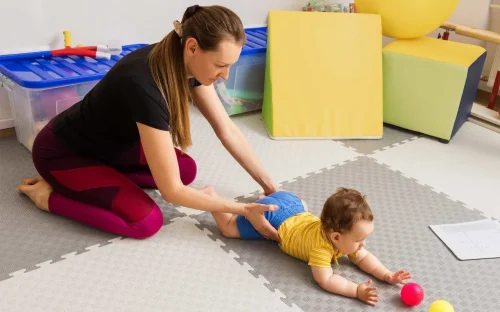
Therapy sessions are play-based, focusing on activities that promote motor planning, postural control, and adaptive responses to sensory inputs. For example, if a child struggles to maintain balance or respond to touch, NDT strategies gradually help their brain learn to adjust more efficiently.
Common Neurodevelopmental Disorders and Their Types
Understanding the list of neurodevelopmental disorders helps families recognize when early intervention is needed.
Common Neurodevelopmental Disorders:
- Autism Spectrum Disorder (ASD): Difficulties in social communication and repetitive behaviors.
- ADHD (Attention Deficit Hyperactivity Disorder): Problems with focus, attention, and self-control.
- Intellectual Disability: Below-average intellectual ability affecting adaptive functioning.
- Specific Learning Disorders: Dyslexia, dyscalculia, and dysgraphia, affecting academic performance.
- Communication Disorders: Speech, language, and pragmatic communication difficulties.
- Motor Disorders: Dyspraxia and Developmental Coordination Disorder leading to poor movement coordination.
- Cerebral Palsy: Movement and posture difficulties due to early brain injury.
Less Common but Important Types:
- Tourette’s Syndrome (involuntary tics and movements)
- Sensory Processing Disorder
- Global Developmental Delay (GDD)
Knowing these neurodevelopmental disorders types helps identify when specialized therapy is required.
Recognizing Neurodevelopmental Disorders Symptoms
Early identification of neurodevelopmental disorders plays a vital role in ensuring that children receive timely and effective therapy. Every child grows at their own pace, but when developmental differences begin to affect daily functioning, it may be time to seek guidance.
Motor Symptoms
Some children may take longer to achieve basic movement milestones such as sitting, crawling, or walking. They might appear clumsy, struggle with balance, or prefer using one side of the body more frequently. Tasks like holding a pencil, buttoning clothes, or using utensils may also be difficult.
Communication and Learning Symptoms
Language and learning delays are another common sign. A child may have limited speech, struggle to express emotions, or find it hard to understand instructions. Difficulties in reading, writing, or remembering tasks can also signal developmental differences. Through structured NDT activities, therapists help improve muscle coordination for speech and enhance cognitive engagement.
Social and Behavioral Symptoms
Children with neurodevelopmental disorders might find social interactions overwhelming. They may avoid eye contact, prefer playing alone, or repeat certain body movements like rocking or hand-flapping. Some also react strongly to specific textures, noises, or changes in routine.
Cognitive and Sensory Symptoms
Problems with attention, planning, and organization are common cognitive indicators. A child may seem easily distracted, forgetful, or find it hard to transition between tasks. Sensory-wise, they could be overly sensitive to sounds, lights, or touch, or show reduced response altogether.
Recognizing these early allows for timely intervention through NDT, which focuses on correcting movement and sensory foundations that support learning and communication.

Goals and Providers of Neurodevelopmental Therapy
Neurodevelopmental therapy is conducted by certified professionals trained in movement science, sensory integration, and child development — including occupational therapists, physiotherapists, and speech-language pathologists.
Core Goals of NDT:
- Improve postural alignment and control
- Enhance motor planning and balance
- Promote functional independence in activities like feeding, dressing, and writing
- Strengthen sensory processing for better regulation
- Boost attention and participation in learning and play
- Empower families through home training and education
Each child’s therapy plan is individualized to match their developmental age, physical ability, and sensory preferences.
Key Neurodevelopmental Techniques
Neurodevelopmental techniques are designed to stimulate sensory and motor areas of the brain. These methods use movement and play to improve muscle tone, balance, coordination, and sensory responses.
Common Techniques Used in NDT:
- Facilitation Techniques: Guided touch to promote correct movement patterns.
- Inhibition Techniques: Preventing or minimizing abnormal reflexes or patterns.
- Weight Bearing & Shifting Activities: Strengthen postural muscles and improve balance.
- Task-Oriented Practice: Repetitive performance of daily functional activities.
- Sensory Integration: Exposure to controlled sensory inputs (textures, sounds, motion) to improve sensory tolerance.
- Proprioceptive & Vestibular Training: Enhancing body awareness through controlled movements and positioning.
- Play-Based Movement Therapy: Using games to motivate children while building key skills.
- Home Program Coaching: Parents are taught to continue therapy at home.
Each session adapts based on a child’s progress, keeping therapy dynamic and engaging.
Does Neurodevelopmental Therapy Work?
Parents often ask, does neurodevelopmental therapy work? The answer is yes — when therapy is consistent, evidence-based, and family-supported.
Proven Benefits:
- Enhanced postural control and mobility
- Improved hand-eye coordination and motor skills
- Better sensory regulation and emotional control
- Stronger communication and focus
- Increased confidence and participation in social and school environments
Research supports NDT as an effective intervention, especially when started early and combined with other therapies like speech and occupational therapy. The success depends on the child’s diagnosis, age, and frequency of sessions.
Step-by-Step Guide for Parents
- Observe and Record: Keep a journal of your child’s progress, strengths, and difficulties.
- Consult Experts: Get an assessment from a pediatrician or developmental specialist.
- Comprehensive Evaluation: At PediGym, we evaluate sensory, motor, and communication skills.
- Goal Setting: Define practical, achievable goals with your therapist.
- Therapy Sessions: Attend regular sessions, typically 2–3 per week.
- Home Reinforcement: Continue exercises through play-based activities.
- Track Progress: Review improvements monthly with your therapist.
This teamwork approach maximizes results and keeps therapy fun and meaningful.
Frequently Asked Questions (FAQs)
Q1. Is autism a neurodevelopmental disorder?
Yes, autism is a neurodevelopmental disorder that affects brain development, behavior, and communication.
Q2. What are common neurodevelopmental disorders symptoms?
Delayed milestones, poor coordination, sensory sensitivities, and difficulty with communication or social interactions.
Q3. Can NDT help with cerebral palsy?
Yes, NDT was originally designed for children with cerebral palsy and remains one of the most effective interventions for improving motor control.
Q4. How soon can results be seen?
Most children show visible progress within 6–8 weeks when therapy is consistent and supported at home.
Q5. Is NDT suitable for older children?
Absolutely. NDT benefits children of all ages, though early intervention leads to the best outcomes.
Why Choose PediGym for Neurodevelopmental Therapy?
At PediGym, our multidisciplinary team provides customized NDT programs tailored to each child’s developmental profile. Our therapy centers in Faridabad and Gurgaon are equipped with advanced tools like sensory integration swings, motor coordination stations, and adaptive learning areas.
We follow a holistic model — combining NDT, occupational therapy, speech therapy, and behavior modification — ensuring every child receives comprehensive care.
Conclusion
Neurodevelopmental Therapy is more than just exercise; it’s a journey toward independence, confidence, and growth. With skilled therapists, consistent sessions, and active family participation, children with neurodevelopmental challenges can achieve remarkable improvements in mobility, learning, and communication.
If you’ve been wondering, does neurodevelopmental therapy work for my child? or recognize neurodevelopmental disorders symptoms, contact PediGym today for a detailed evaluation. Let’s help your child reach their highest potential — one milestone at a time.

Dr. Nitin, Founder of PediGym Child Development Center, is a dedicated pediatric therapy expert and DMI Level C Certified Therapist leading structured, evidence-based therapy programs in Faridabad and Gurgaon. Under his guidance, PediGym provides comprehensive pediatric rehabilitation focused on improving motor skills, coordination, sensory processing, speech clarity, and functional independence through personalized intervention plans.