Early Intervention Program in Faridabad & Gurgaon
Our Early Intervention Program in Faridabad and Gurgaon is designed to support infants and young children who show signs of developmental delays. The first few years of life are critical for brain development, and timely therapy can make a significant difference in a child’s communication, motor skills, behavior, and learning abilities.
As a trusted child development center serving families in Faridabad and Gurgaon, we provide personalized, evidence-based therapy in a nurturing and child-friendly environment.
What Is Early Intervention Program?
An Early Intervention Program (EIP) is a structured, specialised, and goal-driven therapy and support system designed for infants and young children typically from birth to age 6 who are showing signs of developmental delays, neurological challenges, or are at risk due to medical conditions such as premature birth or low birth weight.
Early intervention is not just therapy. It is a carefully designed system that combines multiple therapy disciplines — speech and language therapy, occupational therapy, physiotherapy, sensory integration, neurodevelopmental therapy, and parent coaching — into a unified, child-centred plan aimed at closing developmental gaps before they widen.
The science behind early intervention is rooted in neuroplasticity the brain’s extraordinary ability to form new neural connections during the early years. When the right therapeutic input is delivered at the right developmental stage, children make progress that becomes significantly harder to achieve later. This is why the first 1,000 days of a child’s life are called the most important window in human development.
Why Early Intervention Matters ?
Many parents are told to ‘wait and see’ when they first notice something different about their child’s development. At PediGym, we respectfully but firmly disagree with this approach — because the science tells a very different story.
Early intervention is important because a child’s brain develops the fastest during the early years. Support given at the right time can help children improve key skills such as speech, movement, learning, and social interaction.
When therapy and guidance start early, children often show quicker progress, build stronger foundations, and gain more confidence in daily activities. It can also reduce future challenges in school and help children become more independent as they grow.
Early support doesn’t just improve development—it improves long-term outcomes.
Each child’s program is customized, ensuring therapy aligns with their unique developmental needs.

Early Brain Development Support
At our child development center in Faridabad and Gurgaon, we focus on early intervention therapy during the critical brain development years (0–6), when therapy creates the strongest long-term impact.
Faster Results with Pediatric Therapy
Children who begin pediatric physiotherapy, speech therapy, and sensory integration therapy early show quicker progress in motor skills, communication, and behavior regulation
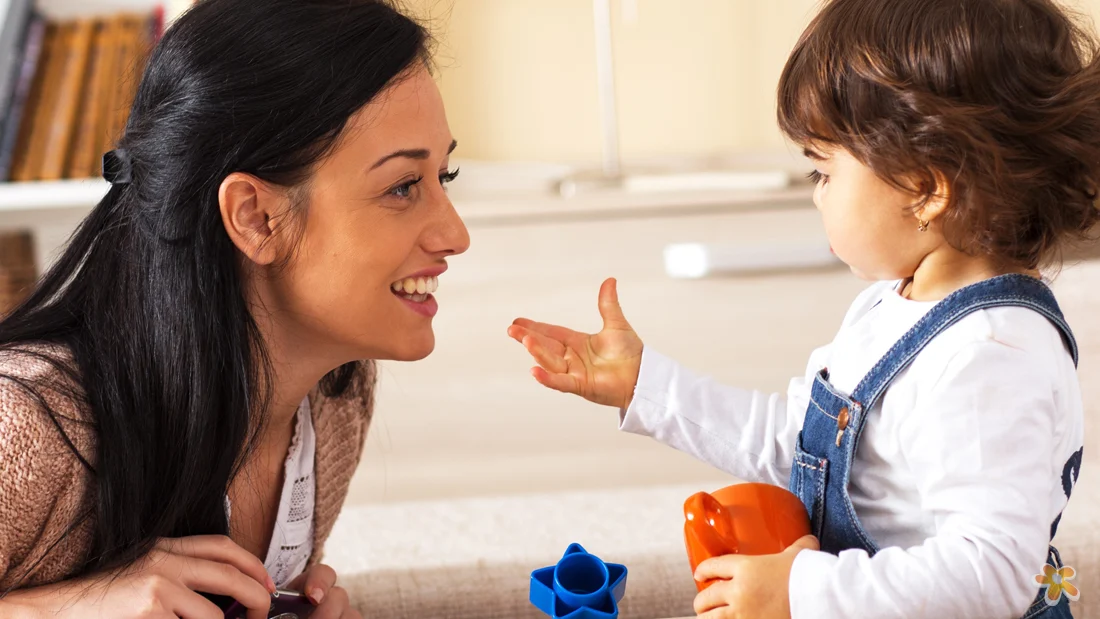
Structured Parent Guidance
Our early intervention programs in Faridabad and Gurgaon include parent training and home strategies to ensure consistent developmental progress beyond therapy sessions.

Better School Readiness & Independence
Timely child development therapy improves social skills, learning readiness, confidence, and independence — helping children transition successfully into mainstream schooling.
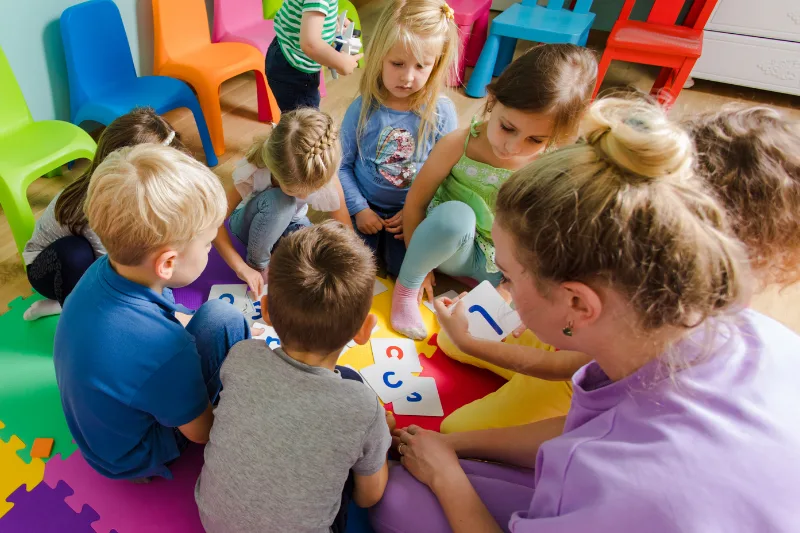
Reduces Long-Term Therapy Needs
Starting early intervention therapy in Faridabad and Gurgaon can reduce the need for intensive therapy later by building strong developmental foundations early.
Benefit From Early Intervention
Every child develops at their own pace — and not every difference is a cause for concern. However, if you notice several of the following signs in your child, it is worth speaking with an early intervention specialist at PediGym. Early assessment never hurts. Delayed assessment often does.
Speech & Language — Warning Signs:
- Not babbling by 12 months
- No single words by 16 months (child not talking at 1.5 years)
- No two-word phrases by 24 months (child not talking at 2 years)
- Significant speech regression — losing words they previously used
- Difficulty understanding simple instructions or following conversation
- Limited eye contact during communication
Motor Development — Warning Signs:
- Not holding head up by 4 months
- Not sitting independently by 9 months
- Not pulling to stand or walking by 15 months
- Persistent toe walking or abnormal gait patterns
- Noticeably floppy muscle tone (hypotonia) or unusually stiff muscles
- Difficulty with fine motor tasks — grasping, pointing, holding objects
Social & Behavioural — Warning Signs:
- Not responding to their name by 12 months
- Limited or no social smiling by 6 months
- Not engaging in back-and-forth play or imitation
- Extreme difficulty with transitions or unexpected changes
- Persistent sensory sensitivities — extreme reactions to sounds, textures, lights
- Significant challenges with feeding, sleeping, or self-regulation
If you recognise 3 or more of these signs in your child, we encourage you to book a free developmental assessment at PediGym. Our specialists will evaluate your child’s developmental profile and give you a clear, honest picture of whether and how we can help — with no pressure and no obligation.
Our Comprehensive Early Intervention Services
At PediGym, our Early Intervention Center in Faridabad focuses on helping children grow through structured, playful, and supportive therapies that meet their individual needs.
Encourages better communication, vocabulary building, and listening skills through interactive and fun sessions.
Supports children in improving motor skills, coordination, and daily independence through guided activities.
Helps children respond better to sights, sounds, and touch, improving focus, behavior, and comfort in daily life.
Provides personalized learning techniques to strengthen academic and cognitive growth for early learners.
What’s Included in PediGym’s Early Intervention Program?
PediGym’s Early Intervention Program in Faridabad and Gurgaon is a fully integrated, multidisciplinary child development plan not just standalone therapy sessions.
Comprehensive Developmental Assessment
Detailed evaluation of motor skills, speech, sensory processing, cognition, behavior, and feeding to understand your child’s strengths and needs.
Individualised Family Support Plan (IFSP)
A personalized, goal-based therapy roadmap with measurable targets, structured sessions, and a guided home program.
Multidisciplinary Therapy Sessions
Coordinated services including Speech Therapy, Occupational Therapy, Pediatric Physiotherapy & DMI, Sensory Integration, NDT, and therapeutic Therapy.
Parent Training & Home Coaching
Parents are guided to continue learning activities at home, ensuring steady progress and comfort.
Regular Progress Monitoring
Ongoing assessments, written reports, and therapy plan updates to ensure measurable, consistent improvement.
Frequently Asked Questions
The Early Intervention Program at PediGym is a structured, personalised developmental support system designed for children who show early signs of delays in communication, motor skills, social interaction, or learning. Through play-based activities and evidence-based therapies such as speech, occupational, sensory integration, and special education support, we help children reach key milestones, build confidence, and improve essential life skills during their most adaptable early years.
Early intervention is ideal for young children showing developmental delays in areas like speech and language, motor skills, social behaviour, or cognitive learning. Children with challenges in communication, movement, play skills, or regulatory behaviours can benefit from customised programs that match their strengths and needs. Individual evaluation ensures every child gets the right support path for effective growth.
Our program uses fun, guided activities and specialized therapies to strengthen communication, social engagement, motor coordination, and cognitive skills. Regular progress monitoring, supportive environments, and parent coaching help children build skills naturally and confidently. The blend of multidisciplinary therapy ensures holistic development aligned with each child’s pace and goals.
The Early Intervention Program includes a range of child-centred therapies such as speech and language therapy for communication skills, occupational therapy for daily living and fine motor skills, sensory integration therapy to improve sensory processing, and special education support to strengthen early learning and cognitive development. Each therapy is tailored to the child’s unique developmental needs.
Yes — parent involvement is a key part of the program. At PediGym, we guide parents with practical strategies, regular updates, and home-based activity plans so learning continues beyond therapy sessions. This family-inclusive approach boosts consistency, reinforces developmental gains, and empowers caregivers to support progress every day.
Don’t Wait — Start
Early Intervention
today.
Book a comprehensive assessment at PediGym Child Development Center and unlock your child’s full potential.
DMI Level C Certified
Advanced Pediatric Care
Goal-Oriented Therapy