Dynamic Movement Intervention (DMI) in Faridabad & Gurgaon
Dynamic Movement Intervention (DMI) is a specialized pediatric physiotherapy approach designed to improve strength, balance, coordination, and motor development in children with developmental challenges. It focuses on stimulating the brain through targeted movement exercises to build better postural control and functional skills.
What is DMI?
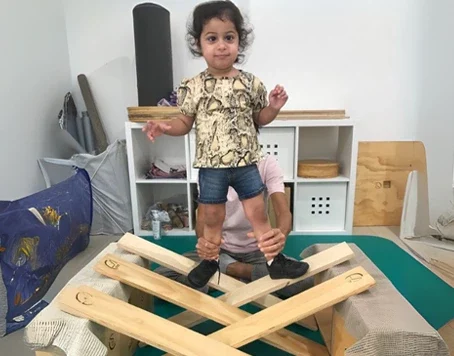
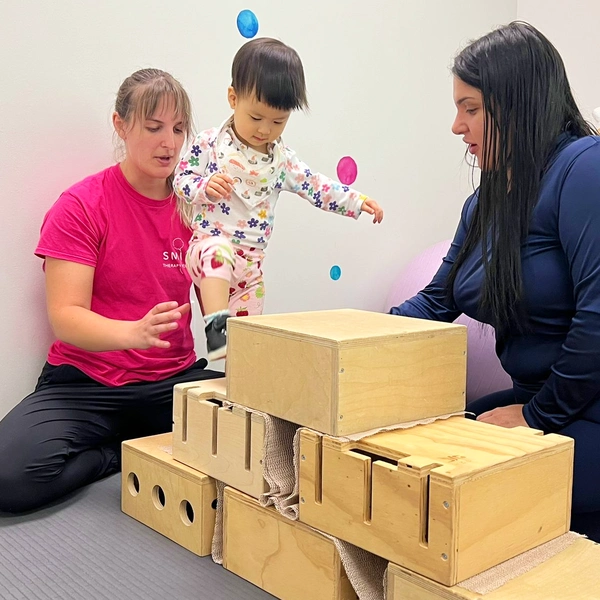
Dynamic Movement Intervention (DMI) is a specialized pediatric physiotherapy technique designed to help children with gross motor delays and neurological conditions improve their movement skills. It is used by trained and certified therapists to support children in achieving important milestones such as sitting, standing, and walking.
What makes DMI therapy for kids in Gurugram different from traditional physiotherapy is its strong focus on the brain rather than just the muscles. This technique uses carefully guided, active movements that stimulate the child’s nervous system to respond and adapt. By appropriately challenging the child, the therapy promotes neuroplasticity — the brain’s natural ability to create new connections and improve motor control.
Instead of slowly building skills step by step from the bottom, DMI often works at the child’s highest possible functional level. This approach helps strengthen posture, balance, coordination, and overall independence more effectively.
The goal of DMI is not just to help a child move during therapy — it is to improve how the brain controls movement, so the child can move more confidently and independently in everyday life.
How DMI Works?
Dynamic Movement Intervention Therapy helps children develop motor skills, balance, and coordination through fun, guided exercises. Each session is designed to be engaging while supporting steady physical growth and confidence.
1. Assessment of Needs
Therapists evaluate each child’s motor skills, balance, coordination, and physical abilities.
2. Personalized Plan
A customized program is created based on the child’s strengths and areas needing support.
3. Structured Activities
Children engage in fun exercises that improve strength, coordination, balance, and body awareness.
4. Regular Monitoring
Progress is tracked continuously, and activities are adjusted to ensure steady improvement.
5. Parent Involvement
Parents are guided on exercises to continue at home, reinforcing skills and confidence.
Who Can Benefit from Dynamic Movement Intervention (DMI)?
Dynamic Movement Intervention (DMI) is designed for children with motor delays and neurological conditions, regardless of their cognitive level or the severity of their diagnosis. Because DMI focuses on stimulating neuroplasticity in the developing brain, it can support meaningful motor progress across a wide range of needs.
- Improves Gross Motor Skills: Enhances abilities such as rolling, sitting, crawling, standing, and walking through structured, guided movement exercises.
- Strengthens Postural Control & Balance: Builds trunk stability, head control, and core strength, helping children maintain upright positions with better coordination.
- Stimulates Neuroplasticity: Activates the brain’s ability to form new neural connections, promoting long-term improvement in motor control and movement patterns.
- Enhances Muscle Activation & Strength: Encourages active muscle engagement rather than passive movement, improving functional strength and endurance.
- Accelerates Milestone Achievement: Supports faster and more meaningful progress toward age-appropriate developmental milestones.
- Improves Functional Independence: Helps children gain confidence in everyday movements such as transitioning, standing, and walking.
- Promotes Better Coordination & Motor Planning: Enhances the brain-body connection, improving movement efficiency and overall physical confidence.
Personalised Programs
DMI therapy offers customised exercises based on each child’s unique developmental needs, helping improve strength, balance, and mobility through targeted, goal-oriented sessions.
Intensive Therapy Options
Children needing faster progress can benefit from intensive DMI sessions, which provide frequent, structured movements to boost motor development and support quicker functional improvement.
Functional Skill Support
DMI therapy helps children improve posture, coordination, and body control through guided movements, supporting independence, confidence, and better participation in daily activities.
What Happens During a DMI Session?
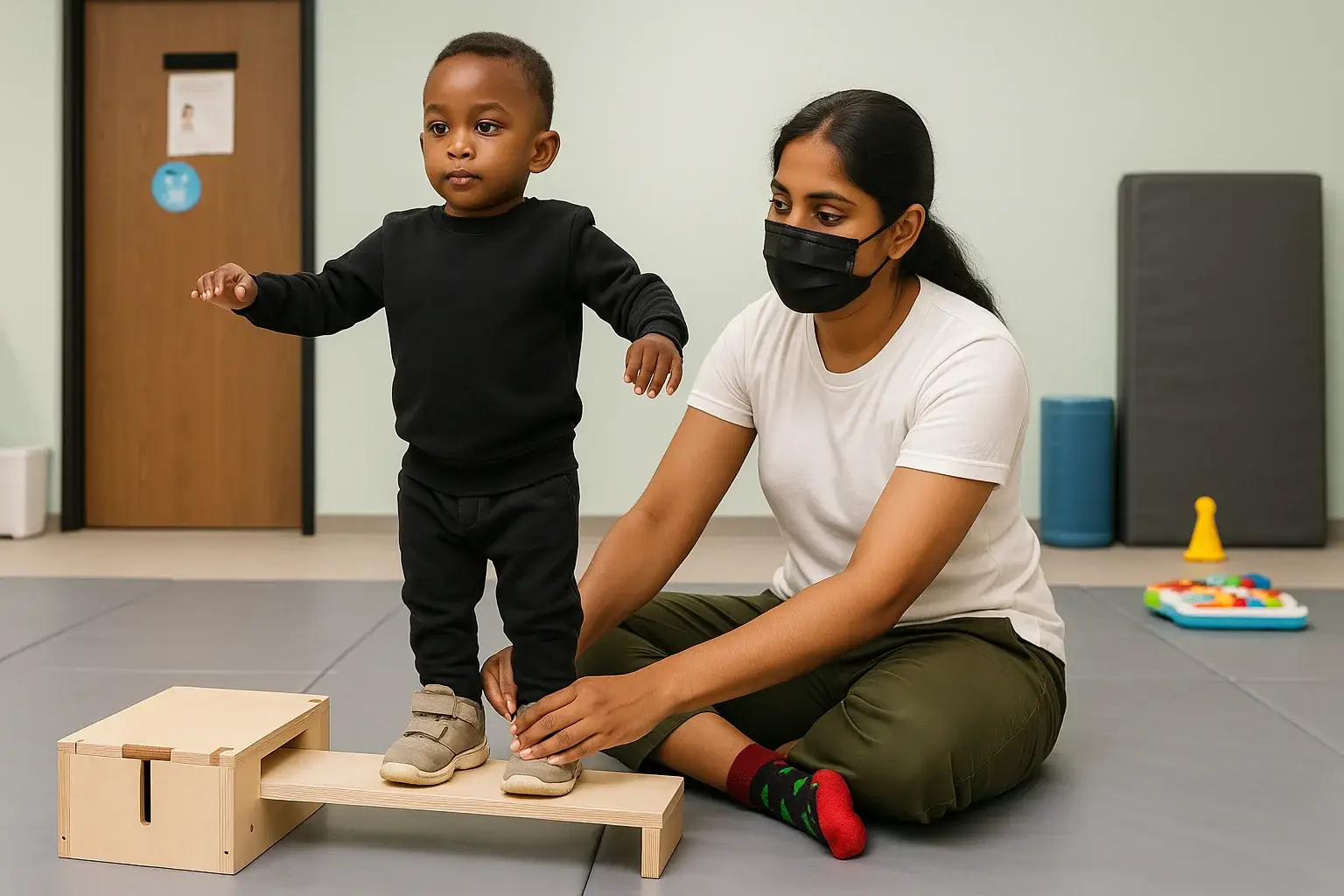
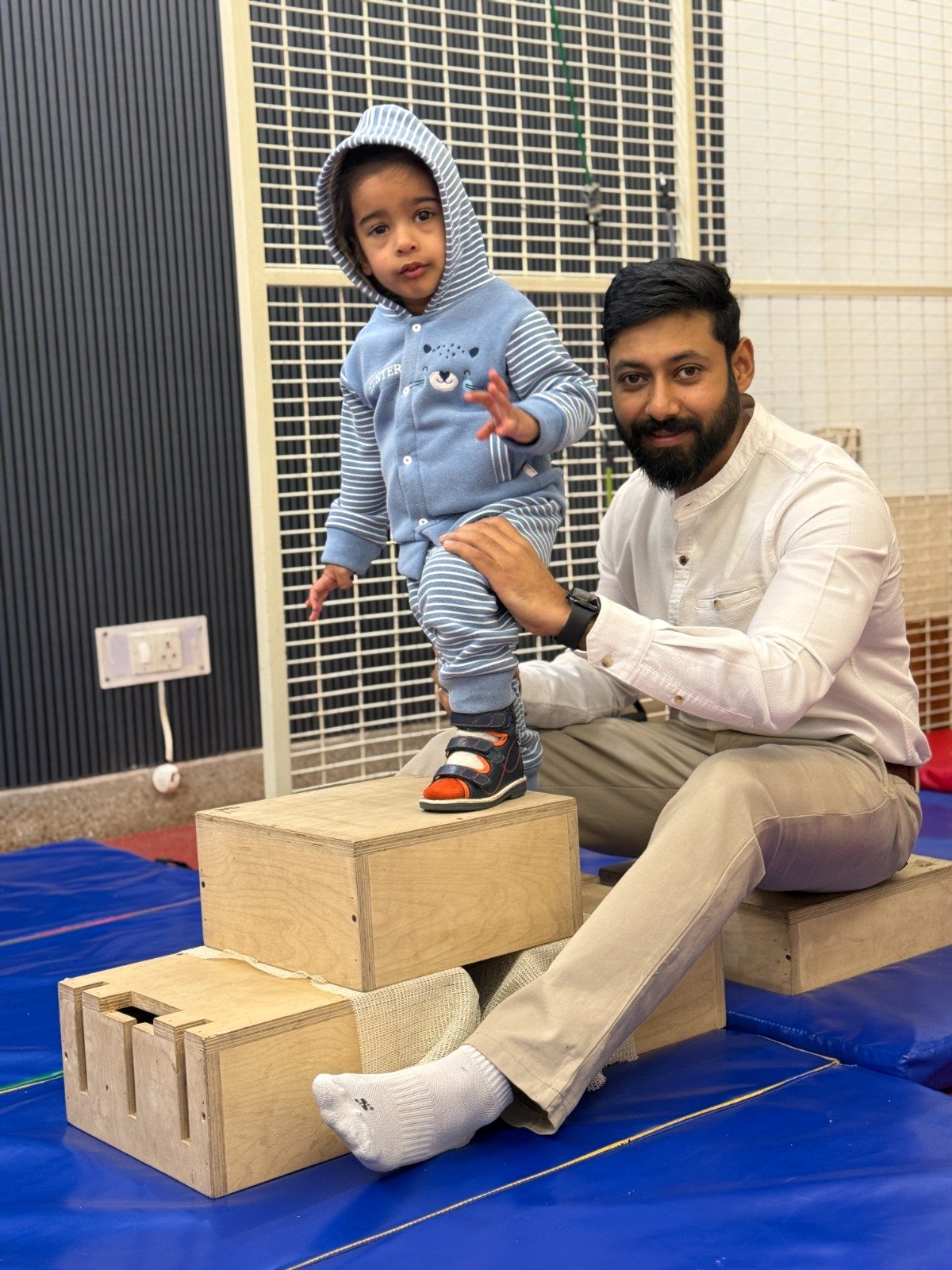
During a DMI session, your child works one-on-one with a certified therapist in a structured but engaging environment. The therapist guides your child through specific movement activities that are carefully designed to challenge their balance, posture, strength, and coordination.
Using precise hand placements and supportive positioning, the therapist encourages your child to actively respond — whether it’s holding their head upright, maintaining sitting balance, transitioning to standing, or taking supported steps. The goal is not to move the child passively, but to prompt the child’s own nervous system to react and build better motor control.
Sessions are tailored to your child’s current abilities and goals. The level of challenge is adjusted in real time to ensure steady progress while keeping the child safe and motivated. Over time, these structured movements help improve stability, confidence, and overall functional independence.
DMI Focuses On
Postural Control & Core Stability
Helping your child sit, stand, and move upright with better trunk strength and body control.
Balance & Coordination
Improving stability during transitions and walking to reduce falls and increase movement confidence.
Gross Motor Milestone Achievement
Supporting progress toward rolling, crawling, standing, and independent walking.
Active Muscle Strengthening
Encouraging your child to use their own muscles effectively for functional, everyday movements.
Functional Independence & Confidence
Building the physical ability and confidence needed for daily activities and greater independence.
Frequently Asked Questions
Dynamic Movement Intervention (DMI) is a specialized therapeutic approach designed to improve a child’s motor skills, balance, coordination, posture, and body awareness through structured, purposeful movement activities. Unlike traditional therapy that focuses only on isolated muscles, DMI uses dynamic, guided exercises to stimulate the child’s nervous system, encouraging automatic motor responses and neuroplastic adaptations. Each session begins with a professional assessment, a personalized plan, and engaging activities tailored to the child’s developmental needs — making therapy both effective and enjoyable.
DMI is especially effective for children who experience motor delays, coordination challenges, sensory processing issues, developmental disorders, or difficulty achieving milestone movements such as sitting, crawling, standing, and walking. It can also support children with neurological diagnoses like cerebral palsy, Down syndrome, global developmental delay, and hypotonia. By focusing on comprehensive movement patterns, DMI helps strengthen neuromuscular pathways that contribute to everyday functional tasks.
As an expert-driven therapy, DMI delivers multiple developmental benefits:
- Improved motor coordination and balance through targeted movement patterns.
- Enhanced postural control and alignment for better strength and stability.
- Increased range of motion and functional movement skills.
Boosted confidence and body awareness as children master meaningful movements.
Additionally, it often incorporates playful, engaging activities that make therapy motivating for young participants.
While progression depends on each child’s unique neuromuscular profile and therapy consistency, many families begin noticing improvements in balance, motor control, and confidence within a few weeks of regular DMI sessions. A structured timetable that includes guided therapy plus at-home practice typically accelerates skill gains. Expert clinicians emphasize consistent practice and re-evaluation to ensure developmental momentum continues over time.
Yes — when administered by qualified therapists, DMI is safe and child-centered. Sessions are customized based on the child’s physical abilities, developmental challenges, and comfort level. Therapists closely monitor responses to exercises, ensuring movements are progressive without overstressing the child. Parent involvement is often encouraged to reinforce skills outside of sessions and maintain continuous developmental support.
Boost Your Child’s
Motor Development
with DMI Therapy.
Book a comprehensive assessment at PediGym Child Development Center and unlock your child’s full potential.
DMI Level C Certified
Advanced Pediatric Care
Goal-Oriented Therapy