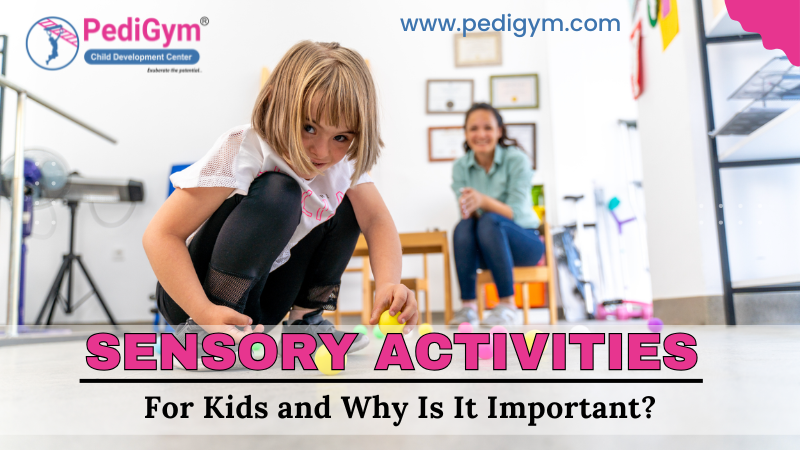
From birth, children rely on their senses to explore, learn, and understand the world around them. Every movement, sound, texture, and visual experience helps shape brain development. Sensory activities are a powerful tool that supports physical growth, emotional balance, learning ability, and social interaction in children. This detailed guide explains sensory activities, their importance, how they impact brain and body development, and why they are essential for every child.
What Are Sensory Activities for Kids?
Sensory activities are structured or unstructured experiences designed to stimulate one or more of a child’s sensory systems. Many of these activities are also used as part of Sensory Integration Therapy, where carefully planned sensory input supports better regulation, learning, and functional skills in children. Examples include:
- Playing with different textures
- Movement-based games
- Listening to music or environmental sounds
- Visual exploration through colors and shapes
- Activities involving pressure, pushing, or pulling
Sensory play allows children to learn naturally through exploration and curiosity. It encourages active engagement, builds confidence, and supports the development of problem-solving, attention, and adaptive skills needed for everyday activities.
Why Sensory Activities Are Crucial for Brain Development?
During early childhood, the brain undergoes rapid growth and forms millions of neural connections every second. These connections are shaped and strengthened by sensory experiences. Sensory activities help to:
- Improve information processing speed, allowing children to respond more efficiently to their environment
- Enhance memory and attention, which supports learning, classroom participation, and daily tasks
- Strengthen learning pathways, making it easier to acquire new skills and concepts
- Support language and cognitive development, by improving listening, understanding, and expressive abilities
Children who receive rich and varied sensory experiences often show better problem-solving skills, increased curiosity, and improved learning readiness. These activities lay a strong neurological foundation that supports academic performance, emotional regulation, and overall brain health as children grow.

Sensory Activities and Cognitive Skill Development
Cognitive skills include thinking, reasoning, remembering, and understanding. Sensory play lays the foundation for these skills by providing meaningful sensory input that supports brain development. These principles are also applied in Neurodevelopmental Therapy, where targeted sensory and movement-based activities are used to improve brain organization, learning readiness, and functional abilities. Through sensory activities, children learn to:
- Compare and classify objects based on size, shape, texture, or color
- Understand cause and effect, such as how actions lead to outcomes
- Develop spatial awareness, which helps with navigation, reading, and problem-solving
- Improve concentration and task completion, by sustaining attention for longer periods
These cognitive skills are essential for academic learning, including reading, writing, and mathematics, as well as for everyday decision-making. Sensory activities help children become more curious, confident, and independent learners by strengthening their ability to process information and apply it meaningfully.
Role of Sensory Activities in Emotional Regulation
Many children, especially at a young age, find it difficult to express their emotions through words. Sensory activities offer a safe and effective way for children to release emotions, manage stress, and regulate their nervous system. These activities help the brain recognize and respond appropriately to emotional signals, promoting a sense of calm and control. Benefits of sensory activities include:
- Reduced anxiety and stress, by providing calming and organizing sensory input
- Improved frustration tolerance, helping children cope better with challenges and changes
- Better impulse control, supporting thoughtful and regulated behavior
- Enhanced emotional awareness, allowing children to identify and understand their feelings
Calming sensory input helps children feel safe, grounded, and emotionally balanced. Over time, regular sensory experiences support emotional maturity, improved behavior, and healthier social interactions.
Impact on Motor Skills and Physical Development
Sensory activities play an essential role in the development of both gross motor and fine motor skills. By engaging the body through movement, touch, and resistance, these activities help children gain better control over their muscles and movements. Sensory input supports the brain in planning, coordinating, and executing physical actions smoothly. Sensory activities help children improve:
- Balance and coordination, which are necessary for walking, running, and controlled movements
- Muscle strength and endurance, supporting sustained physical activity and posture
- Hand-eye coordination, important for tasks like drawing, writing, and playing with objects
- Posture and body control, enabling children to sit, stand, and move with stability
Strong motor skills allow children to perform daily tasks such as eating, writing, dressing, and playing with greater independence. As motor abilities develop, children also gain confidence in physical activities, which positively impacts their participation in school, play, and social environments.
Importance of Sensory Activities in Social Development
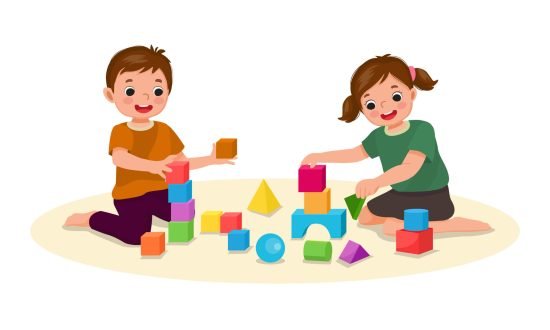
Sensory activities often involve interaction with parents, caregivers, or peers, making them an effective way to support social development. Through shared sensory experiences, children learn how to engage with others, follow social rules, and build positive relationships in a natural and enjoyable way. Through sensory play, children learn:
- Turn-taking and sharing, which build patience and respect for others
- Cooperative play, helping children work together toward a common goal
- Communication skills, including verbal and non-verbal expression
- Understanding social cues, such as facial expressions, gestures, and personal space
Group sensory activities also encourage confidence and peer engagement by creating opportunities for children to interact in a supportive environment. These activities are often incorporated into group therapy, where children learn from peers while practicing social interaction, communication, and cooperation skills. Over time, these shared experiences help children develop empathy, social awareness, and the skills needed to participate successfully in school and community settings.
Sensory Activities for Different Developmental Stages
Sensory needs evolve as children grow and their abilities develop. Providing age-appropriate sensory activities helps support optimal brain development, motor skills, and emotional regulation at each stage.
Infants and Toddlers
At this stage, sensory experiences help build basic neural connections and body awareness.
- Gentle touch and movement, such as rocking or massage, support bonding and calmness
- Soft sounds and visual stimulation, including lullabies and high-contrast toys, aid auditory and visual development
- Water play and textured toys, which enhance tactile exploration and sensory curiosity
Preschool Children
Preschoolers benefit from sensory activities that encourage creativity, movement, and social interaction.
- Art, painting, and clay play, which develop fine motor skills and self-expression
- Obstacle courses and balance games, supporting coordination, strength, and spatial awareness
- Music and rhythmic movement, helping with timing, listening skills, and emotional expression
School-Age Children
Older children need more structured sensory input to support learning, focus, and self-regulation.
- Yoga and structured movement, which improve posture, balance, and body control
- Sensory problem-solving games, encouraging planning, attention, and cognitive skills
- Creative play with tools and materials, supporting independence, confidence, and skill development
Providing sensory activities tailored to a child’s developmental stage helps promote steady growth, learning readiness, and emotional well-being.
Sensory Activities for Children with Developmental Challenges
Children with autism, ADHD, learning difficulties, sensory processing issues, or developmental delays often experience difficulty processing sensory input. Sensory activities help them:
- Improve attention and focus
- Reduce sensory overload
- Enhance communication
- Build daily living skills
Structured sensory programs guided by professionals are highly beneficial.
How Sensory Activities Support Daily Life Skills?
Sensory processing plays a vital role in how children perform everyday activities. When the brain accurately processes sensory input, children are better able to plan movements, focus attention, and respond appropriately to their environment. Sensory activities help organize these sensory signals, making daily tasks easier and more manageable. Proper sensory input helps support:
- Feeding and eating skills, by improving oral motor control, texture tolerance, and coordination
- Dressing and grooming, through better body awareness, balance, and fine motor control
- Classroom participation, by enhancing focus, sitting tolerance, and task engagement
- Sleep regulation, as calming sensory input helps the nervous system relax and settle
Well-developed sensory systems lead to better independence and confidence.
When to Seek Professional Support?
If a child shows signs such as extreme sensitivity to sounds, textures, movement, or difficulty focusing, professional guidance may be needed.
Occupational therapy and sensory integration programs, such as those at PediGym, offer personalized sensory support to meet each child’s needs.
Conclusion
Sensory activities are essential for healthy brain development, emotional well-being, motor coordination, and learning readiness. They provide a strong foundation for a child’s overall growth and daily functioning.
At PediGym, we focus on structured, evidence-based sensory programs that help children thrive physically, emotionally, and cognitively.

Dr. Nitin, Founder of PediGym Child Development Center, is a dedicated pediatric therapy expert and DMI Level C Certified Therapist leading structured, evidence-based therapy programs in Faridabad and Gurgaon. Under his guidance, PediGym provides comprehensive pediatric rehabilitation focused on improving motor skills, coordination, sensory processing, speech clarity, and functional independence through personalized intervention plans.