Speech and communication form the foundation of a child’s learning, social interaction, and emotional expression. When a child experiences speech delay or is diagnosed with Autism Spectrum Disorder (ASD), these abilities may not develop at the expected pace. Children may struggle to produce words, understand language, follow instructions, or engage in meaningful conversation. Speech therapy plays a vital role in supporting these children by strengthening both receptive (understanding) and expressive (speaking) language skills. At PediGYM, evidence-based speech therapy techniques are used to help children communicate more effectively and confidently in daily life.
What Does Speech Delay Mean for a Child?
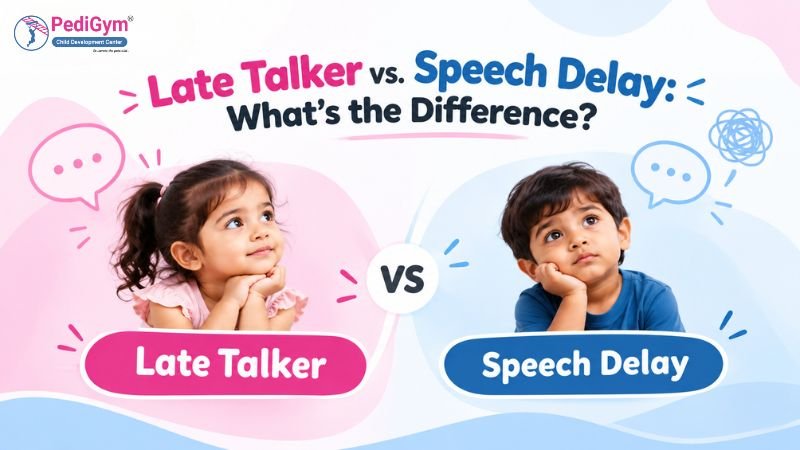
Speech delay occurs when a child does not reach expected speech and language milestones for their age. This may appear as late onset of talking, limited vocabulary, unclear pronunciation, difficulty combining words into sentences, or trouble understanding and following instructions. Possible causes include hearing problems, oral motor weakness, developmental delays, neurological factors, or limited exposure to language. Early identification and speech therapy help strengthen listening, understanding, and expressive skills.
What is Autism Spectrum Disorder?
Autism is a neurodevelopmental condition that affects communication, social interaction, and behavior. Children with autism may show:
- Limited or no spoken language
- Difficulty understanding gestures and facial expressions
- Echolalia (repeating words or phrases)
- Trouble initiating or maintaining conversations
- Challenges in social use of language (pragmatics)
Speech therapy for autism focuses not only on developing speech but also on improving functional communication, social interaction, and the ability to express needs, emotions, and ideas effectively.
Key Areas Targeted in Speech Therapy
Speech therapy programs for children with autism and speech delay work on multiple domains to build strong, functional communication skills:
- Receptive Language – Improving understanding of words, instructions, and basic concepts to strengthen listening and comprehension.
- Expressive Language – Helping children use words, phrases, and sentences to clearly express needs, thoughts, and feelings.
- Articulation and Phonology – Developing correct speech sounds and clarity so speech is easier to understand.
- Oral Motor Skills – Strengthening and coordinating the lips, tongue, and jaw to support proper speech production.
- Social Communication (Pragmatics) – Building eye contact, turn-taking, and conversation skills for better social interaction.
- Alternative Communication – Using pictures, signs, or communication devices to support non-verbal or minimally verbal children.
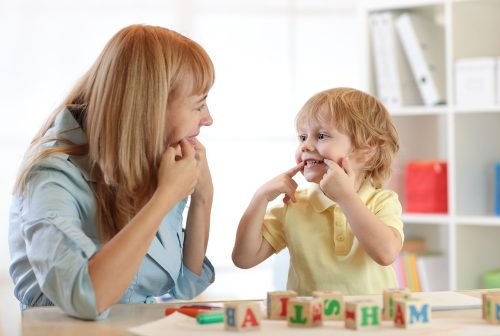
Step-by-Step Proven Speech Therapy Techniques
1. Language Stimulation Therapy
This approach increases a child’s exposure to meaningful language. Therapists use slow, clear speech, repetition, and simple sentence structures while describing actions, objects, and feelings during play and daily routines. This helps children understand how language is used in real-life situations.
2. Imitation and Expansion
Children are encouraged to imitate sounds, words, and gestures. The therapist then expands the child’s response. For example, if a child says “ball,” the therapist models “big red ball” to build longer sentences and vocabulary.
3. Play-Based Intervention
Play provides a natural and motivating environment for communication. Activities such as pretend play, puzzles, building blocks, songs, and action games help develop:
- Requesting and labeling skills
- Turn-taking and sharing
- Joint attention and eye contact
- Functional use of language in social situations
4. Visual Communication Strategies (PECS & Visual Schedules)
Visual supports are highly effective for children with autism. Picture Exchange Communication System (PECS) allows children to communicate needs using images. Visual schedules improve understanding of routines and reduce anxiety, supporting better communication and behavior.
5. Articulation and Phonetic Placement Therapy
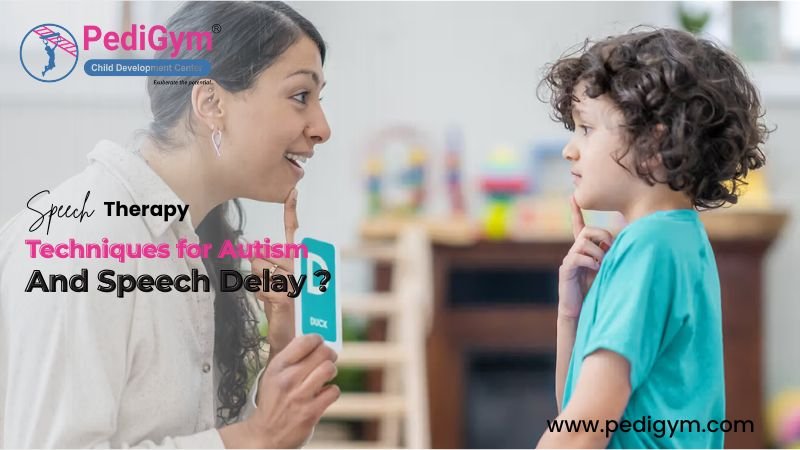
For children with unclear speech, therapists teach correct tongue and lip placement for each sound. Mirror exercises, tactile cues, and oral motor activities improve sound production and clarity.
6. Social Skills and Pragmatic Language Training
This focuses on:
- Greeting others
- Asking and answering questions
- Understanding emotions and body language
- Conversation rules
Group therapy sessions help children practice these skills with peers, improving real-world communication.
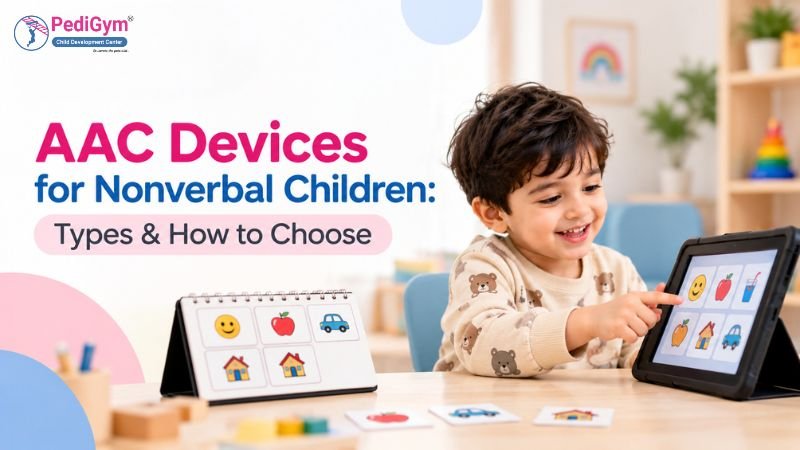
7. Augmentative and Alternative Communication (AAC)
AAC includes communication boards, sign language, and speech-generating devices. These tools support children who are non-verbal or have limited speech, allowing them to express choices, needs, and emotions effectively.
8. Parent-Mediated Therapy and Home Programs
Parents are trained to use speech strategies during daily routines such as meals, dressing, and playtime. Consistent practice at home reinforces therapy goals and accelerates progress.
Importance of Early Intervention
Early speech therapy enhances brain plasticity and supports faster language development. When intervention begins in the early years, children can build strong foundations for communication and learning. Children who receive timely therapy often show:
- Improved understanding and use of language, supporting school readiness
- Better social participation and interaction with peers and adults
- Reduced frustration, leading to fewer behavioral challenges
- Increased independence in daily activities such as expressing needs and following routines
Multidisciplinary Support at PediGYM
At PediGYM, speech therapy is integrated with occupational therapy, sensory integration, and behavioral interventions when required. A child-centered and family-focused approach ensures:
- Individualized therapy plans
- Regular progress monitoring
- Collaboration with parents and educators
- Holistic development of communication, cognition, and social skills
Conclusion
Speech therapy techniques for autism and speech delay are designed to build communication step by step—starting from basic understanding and progressing to functional speech and social interaction. With structured intervention, visual supports, play-based learning, and consistent home practice, children can achieve meaningful improvements in communication. Early and specialized support at PediGYM empowers children to express themselves, connect with others, and participate more confidently in everyday life.

Dr. Nitin, Founder of PediGym Child Development Center, is a dedicated pediatric therapy expert and DMI Level C Certified Therapist leading structured, evidence-based therapy programs in Faridabad and Gurgaon. Under his guidance, PediGym provides comprehensive pediatric rehabilitation focused on improving motor skills, coordination, sensory processing, speech clarity, and functional independence through personalized intervention plans.