Seeing reduced arm movement in a newborn can be concerning for any parent. Erb’s palsy is a birth-related nerve injury that affects arm and shoulder movement in babies. Early awareness and timely therapy play a vital role in recovery. At PediGYM, we focus on early identification, expert assessment, and child-centered therapy. This detailed guide explains everything parents need to know—from symptoms and causes to diagnosis and treatment.
What Is Erb’s Palsy in Babies?
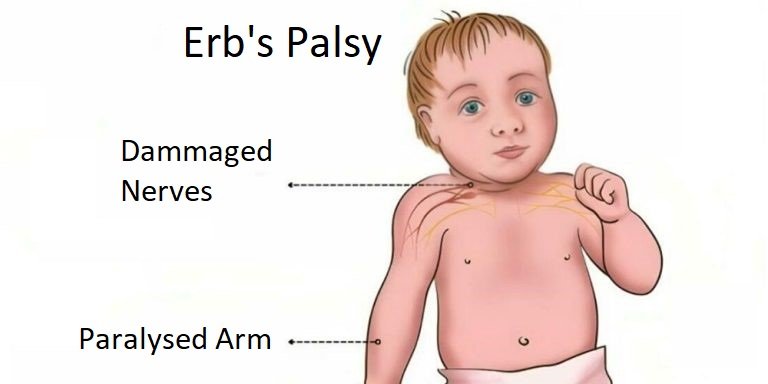
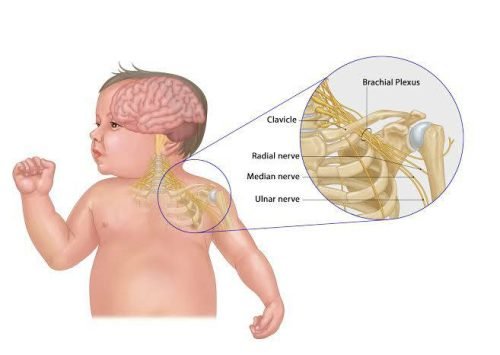
Erb’s palsy is a type of brachial plexus injury that occurs when the nerves controlling the shoulder, arm, and hand are damaged during childbirth. The brachial plexus is a network of nerves that originates from the neck, specifically the C5–C6 nerve roots, and plays a crucial role in controlling arm movement, muscle strength, and sensation.
When these nerves are stretched, compressed, or torn during delivery, the signals between the brain and the affected arm are disrupted. As a result, the baby may experience difficulty moving the shoulder or elbow, reduced muscle strength, or decreased sensation in the arm.
What Types of Injuries Are Common With Erb’s Palsy?
Erb’s palsy can involve different types of brachial plexus nerve injuries, and the severity of the injury directly affects recovery time and treatment needs. These injuries occur when the nerves are stretched, compressed, or damaged during birth.
- Neuropraxia: Mild nerve stretching; most babies recover within a few weeks with therapy.
- Axonotmesis: Partial nerve damage; recovery is slower and may take several months.
- Neurotmesis: Complete nerve tear; surgical treatment may be required.
- Avulsion: Nerve pulled from the spinal cord; rare but severe.
Regardless of the injury type, early therapy plays a vital role in maintaining joint mobility, preventing muscle tightness, and supporting the best possible functional recovery.
What Are the Signs and Symptoms of Erb’s Palsy?
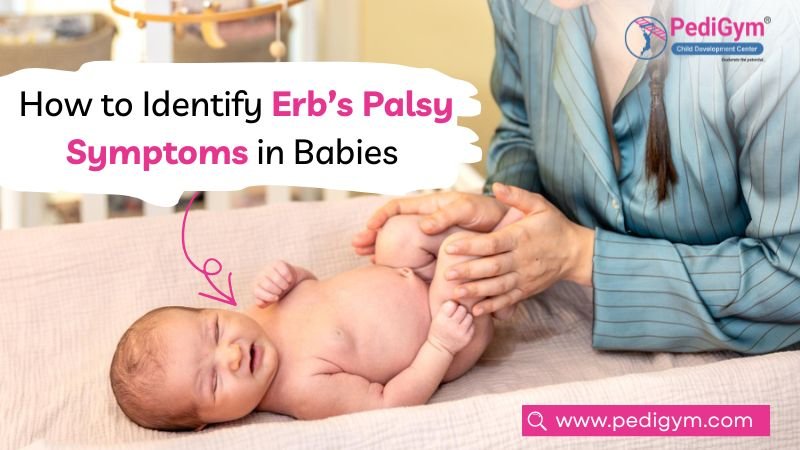
The signs of Erb’s palsy are often noticeable shortly after birth, though some symptoms may become clearer as the baby grows and begins to move more actively. Parents are usually the first to observe subtle differences between the baby’s arms. Common signs and symptoms include:
- Limited or absent movement in one arm, while the other arm moves normally.
- Weakness in the shoulder, elbow, or upper arm, making lifting or bending difficult.
- The arm held in a characteristic “waiter’s tip” position, with the wrist turned inward.
- Reduced grip strength or less frequent hand movements on the affected side.
- Asymmetrical Moro (startle) reflex, where one arm does not respond fully.
- Low muscle tone or floppiness in the affected arm.
- Reduced response to touch or sensation in the arm or shoulder.
As the baby develops, these symptoms may become more noticeable, especially when the child starts reaching, rolling, or using both hands together. Early recognition allows timely assessment and effective therapy to support recovery.
What Causes Erb’s Palsy in Newborns?
Erb’s palsy occurs when the nerves of the brachial plexus, which control movement and sensation in the shoulder and arm, are excessively stretched or compressed during childbirth. This usually happens when extra force is needed to assist the baby’s delivery. Common causes include:
- Shoulder dystocia, where the baby’s shoulder becomes stuck behind the mother’s pelvic bone.
- Prolonged or difficult labor, increasing strain on the baby’s neck and shoulder.
- Breech delivery, where the baby is born feet-first.
- Large birth weight, making passage through the birth canal more challenging.
- Assisted deliveries using forceps or vacuum extraction.
It is important for parents to know that Erb’s palsy is not caused by routine handling, lifting, or care after birth. Early recognition and medical support can help ensure timely treatment and better recovery outcomes.
How to Identify Erb’s Palsy Symptoms in Babies?
Early observation at home plays an important role in identifying Erb’s palsy. Parents often notice small differences in how their baby uses one arm compared to the other. Paying attention to these signs can help ensure timely medical and therapy support.
Step 1: Observe Arm Movement
Watch how your baby moves both arms during rest and activity. If one arm moves less, appears weaker, or remains still while the other moves freely, it may indicate nerve involvement.
Step 2: Look for Abnormal Arm Position
Notice whether one arm consistently stays close to the body or hangs downward. An inward-turned wrist or straight elbow position can be an early sign of Erb’s palsy.
Step 3: Compare Grip Strength
Gently place a finger in each of your baby’s hands. A weaker or delayed grasp on one side compared to the other may suggest reduced muscle strength.
Step 4: Check Newborn Reflexes
Observe your baby’s startle (Moro) reflex. If one arm does not lift or respond as strongly as the other, it may signal nerve injury.
Step 5: Monitor Progress Over Time
Mild cases may improve naturally, but if there is little or no improvement within 2–4 weeks, or if stiffness develops, a professional evaluation is essential for early intervention.
How Is Erb’s Palsy Diagnosed?
Erb’s palsy is usually diagnosed shortly after birth through a careful clinical evaluation by pediatric specialists. Early diagnosis helps determine the severity of the injury and guides the treatment plan. Diagnosis typically includes:
- Detailed birth and medical history, focusing on the type of delivery, labor duration, and any complications during birth.
- Physical and neurological examination to assess muscle strength, tone, range of motion, and arm positioning.
- Observation of spontaneous movements and newborn reflexes, comparing both arms for symmetry and response.
In some cases, pediatric specialists may recommend imaging tests or nerve studies, such as ultrasound or nerve conduction tests, to better understand the extent of nerve damage and plan further treatment if needed.
How Is Erb’s Palsy Treated?
The treatment of Erb’s palsy depends on the type and severity of the nerve injury. Most babies respond very well to early, non-surgical therapy, especially when treatment begins soon after diagnosis. The primary goals of treatment are to improve movement, strengthen muscles, prevent stiffness, and support normal development.
Non-Surgical Treatment:
- Pediatric physiotherapy to improve shoulder, arm, and elbow movement.
- Occupational therapy to support functional use of the arm and hand.
- Gentle range-of-motion exercises to maintain joint flexibility and prevent stiffness.
- Muscle strengthening activities to encourage balanced arm use as the baby grows.
- Parent education on safe handling, positioning, and home exercises to continue progress outside therapy sessions.
Surgical Treatment:
- Surgery is considered only in severe cases when there is little or no improvement over time.
- It is usually recommended after detailed evaluation by specialists.
- Post-surgical rehabilitation is essential and involves long-term physiotherapy to maximize recovery and functional outcomes.
With timely intervention and consistent therapy, many babies with Erb’s palsy achieve significant improvement and healthy arm function.
How PediGYM Helps Babies With Erb’s Palsy?
At PediGYM, we focus on early intervention and personalized care to support your baby’s recovery and healthy development. Our experienced pediatric therapy team works closely with families to ensure the best possible outcomes.
- Early assessment and individualized therapy plans
- Gentle, evidence-based physiotherapy and occupational therapy
- Parent training for home exercises
- Continuous monitoring of progress
Our child-friendly and supportive environment ensures that therapy is safe, effective, and delivered with compassion—helping your baby move toward greater comfort, confidence, and independence.
Final Thoughts
Understanding Erb’s palsy symptoms in babies empowers parents to take timely and confident action. Early signs such as arm weakness, asymmetrical movement, or delayed improvement should never be ignored, as early therapy can make a meaningful difference in recovery. At PediGYM, we are committed to supporting your child’s growth, healing, and independence through expert pediatric care and compassionate therapy. With early assessment and the right intervention, many babies go on to achieve healthy and functional arm movement. PediGYM is here to guide you and your child every step of the way.

Dr. Nitin, Founder of PediGym Child Development Center, is a dedicated pediatric therapy expert and DMI Level C Certified Therapist leading structured, evidence-based therapy programs in Faridabad and Gurgaon. Under his guidance, PediGym provides comprehensive pediatric rehabilitation focused on improving motor skills, coordination, sensory processing, speech clarity, and functional independence through personalized intervention plans.