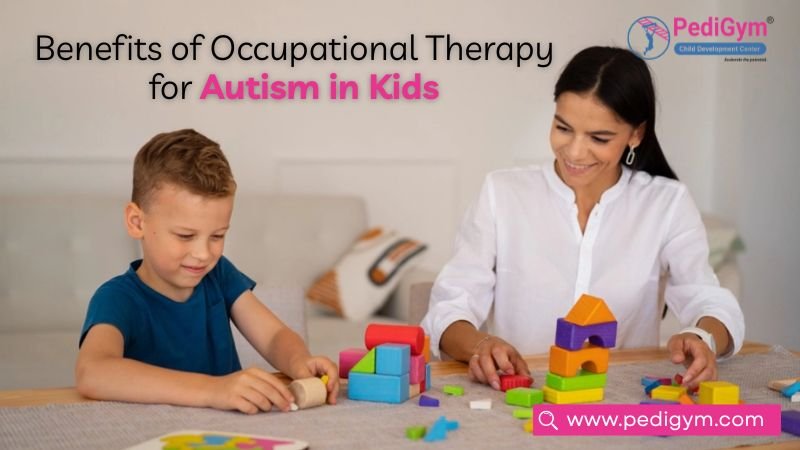
Autism Spectrum Disorder (ASD) is a neurodevelopmental condition that affects a child’s ability to communicate, interact socially, process sensory information, and perform daily activities. Children with autism often face challenges that can impact their independence, confidence, and participation at home, school, and in social environments. Occupational Therapy (OT) is one of the most effective therapeutic approaches for supporting children with autism. It focuses on helping children develop the skills needed for daily life while improving overall quality of life. At PediGYM, occupational therapy programs are individualized, goal-oriented, and designed to meet each child’s unique developmental needs.
What Is Occupational Therapy for Autism?
Occupational Therapy helps children with autism participate more effectively in everyday activities such as playing, learning, self-care, and social interaction. Unlike academic-focused therapies, OT emphasizes functional skills that children use throughout their lives. Occupational therapy addresses:
- Physical, sensory activities, emotional, and cognitive development.
- Functional independence in daily routines.
- Adaptation to home, school, and community environments.
Therapists assess a child’s strengths and challenges to create personalized therapy plans that support overall development.
Sensory Processing and Integration Support
Sensory processing difficulties are very common in children with autism. A child may be over-sensitive (hypersensitive) or under-sensitive (hyposensitive) to sensory input such as sound, touch, movement, or light. Occupational therapy helps by:
- Improving the brain’s ability to process sensory information
- Reducing sensory-related anxiety and behavioral challenges
- Helping children stay calm, alert, and focused
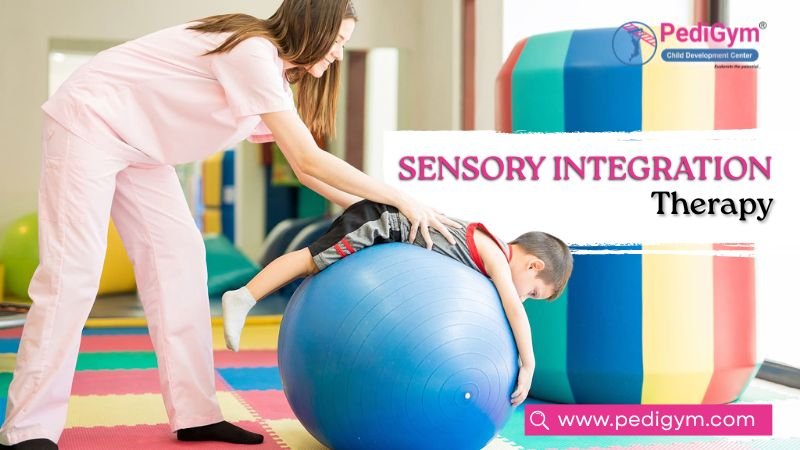
At PediGYM, sensory integration therapy may include movement activities, tactile play, deep pressure input, and balance exercises to help children regulate their sensory systems.
Strengthening Fine Motor Skills
Fine motor skills involve small muscle movements, particularly in the hands and fingers. Many children with autism experience delays in these skills, affecting daily and academic tasks. Occupational therapy helps improve fine motor development through structured, play-based activities that strengthen hand muscles and enhance coordination. Therapy focuses on:
- Building hand strength and finger dexterity.
- Improving grasp-and-release patterns.
- Enhancing bilateral coordination (using both hands together).
- Developing handwriting readiness and effective tool use.
As fine motor skills improve, children gain greater independence in tasks such as buttoning and zipping clothes, using spoons and forks, cutting with scissors, drawing shapes, and writing letters. These improvements not only support academic success but also boost confidence and participation in daily routines.
Enhancing Gross Motor and Postural Control
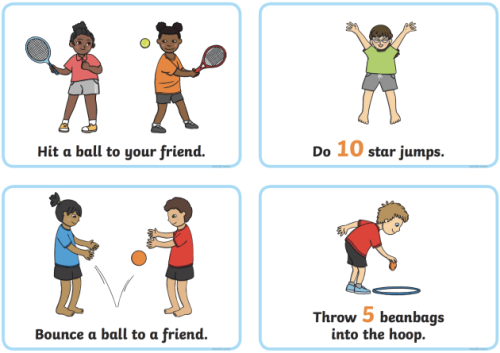
Gross motor skills involve large muscle movements used for posture, balance, and coordination. Weak core strength or poor motor planning can affect a child’s ability to sit, stand, or move confidently. Occupational therapy supports gross motor development through movement-based and strength-building activities that improve:
- Balance and coordination during standing, walking, and play.
- Body awareness and motor planning for smoother, more controlled movements.
- Core strength and postural stability needed for sitting, standing, and transitioning between positions.
As these skills improve, children become more confident in their movements and are better able to participate in playground activities, sports, group games, and classroom tasks that require sustained sitting and coordinated movement. Strong gross motor and postural control also support attention, endurance, and overall functional independence.
Developing Self-Care and Daily Living Skills
Self-care and daily living skills are essential for building independence and confidence in children with autism. Many children find these routines challenging due to difficulties with motor planning, sensory sensitivities, or understanding multi-step tasks. Occupational therapy provides structured, consistent support to help children learn and master these essential life skills. Occupational therapy focuses on:
- Dressing skills such as buttoning, zipping, tying laces, and managing clothing independently.
- Feeding skills, including using utensils, managing different food textures, and improving mealtime routines.
- Grooming and personal hygiene tasks like brushing teeth, washing hands, and hair care.
- Toilet training, body awareness, and hygiene routines
- Following daily schedules, transitions, and routine-based activities.
Through repetition, visual support, and adaptive strategies, children gradually become more independent in their daily routines. These skills not only reduce dependence on caregivers but also enhance self-esteem and prepare children for greater participation at home, school, and in community settings.
Improving Attention, Focus, and Executive Function
Children with autism may struggle with attention, planning, sequencing, and task completion. These skills are critical for learning and daily functioning. OT helps children:
- Improve concentration and sitting tolerance
- Follow multi-step instructions
- Develop problem-solving and organizational skills
These abilities support better performance at school and during structured activities.
Emotional Regulation and Behavioral Support
Emotional regulation is a major challenge for many children with autism. Difficulty expressing emotions can lead to frustration, anxiety, or behavioral outbursts. Occupational therapy provides:
- Strategies to manage stress and sensory overload
- Tools to recognize and express emotions
- Support for adapting to changes in routine
By improving emotional regulation, children develop better coping mechanisms and behavioral control.
Social Interaction and Play Skill Development
Play is a powerful and natural way for children to learn, communicate, and connect with others—especially for children with autism. Through play-based occupational therapy, children are encouraged to explore social interactions in a structured, supportive, and enjoyable environment. Occupational therapy promotes social development by encouraging:
- Turn-taking and sharing during games and group activities.
- Cooperative play with peers to build teamwork and interaction skills.
- Understanding and responding to social rules, cues, and boundaries.
Therapists use guided play to help children practice appropriate social behaviors, improve communication, and develop emotional awareness. As these skills strengthen, children begin to form meaningful relationships, participate more confidently in group settings, and experience greater social independence in both play and everyday interactions.
School Readiness and Classroom Participation
Occupational therapy prepares children with autism for structured learning environments. Benefits include:
- Improved classroom behavior and participation
- Better handwriting and task completion
- Increased independence in school routines
This support helps children transition smoothly into academic settings.
Parent Education and Home-Based Strategies
Parental involvement plays a critical role in therapy success. At PediGYM, therapists:
- Train parents to continue therapy goals at home.
- Provide practical strategies for daily routines.
- Encourage consistency across environments.
This collaborative approach ensures long-term progress beyond therapy sessions.
Why Occupational Therapy at PediGYM?
PediGYM provides a warm, supportive, and child-friendly environment where children with autism feel safe, motivated, and encouraged to learn. Our occupational therapy programs are thoughtfully designed to be both structured and engaging, ensuring that therapy sessions are enjoyable while remaining goal-focused.
Our experienced occupational therapists use evidence-based practices and individualized treatment plans tailored to each child’s unique strengths, challenges, and developmental needs. Therapy goals are regularly reviewed and adapted as the child progresses, ensuring consistent and measurable improvement.
Conclusion
Occupational therapy provides comprehensive support for children with autism by addressing sensory challenges, motor skills, emotional regulation, self-care abilities, and social participation. Early and consistent occupational therapy can significantly improve a child’s independence, confidence, and overall quality of life. At PediGYM, we are committed to helping children with autism reach their full potential—one skill at a time.