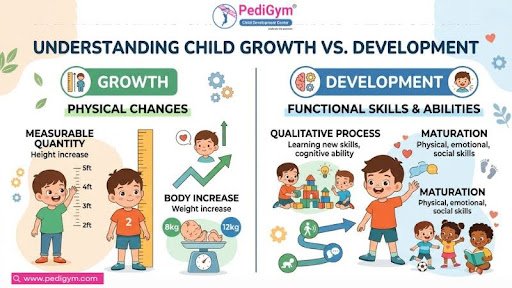

Sensory play activities are experiences that stimulate a child’s senses—touch, sight, sound, smell, movement, and balance—to support their overall development. These activities allow children to explore, investigate, and understand the world through hands-on interaction. From simple tasks like playing with water or sand to guided activities such as textured trays, sensory bins, or movement-based games, sensory play helps children build essential learning foundations.
Sensory play is important because it boosts brain development, enhances attention and problem-solving skills, improves fine and gross motor abilities, and supports emotional regulation. It also encourages creativity, language growth, and confidence as children learn through curiosity and hands-on exploration. For children with sensory processing challenges, sensory play works beautifully alongside Sensory Integration Therapy to help them adapt, calm, and organize their sensory systems. Overall, sensory play activities build strong learning pathways and support children in becoming more focused, expressive, and independent learners.
What is sensory play?
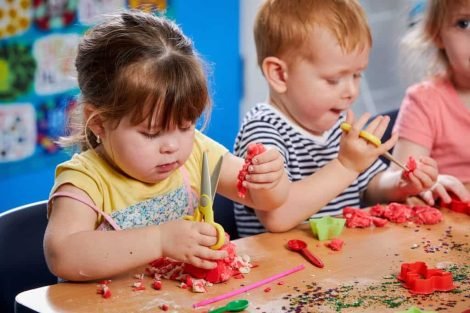
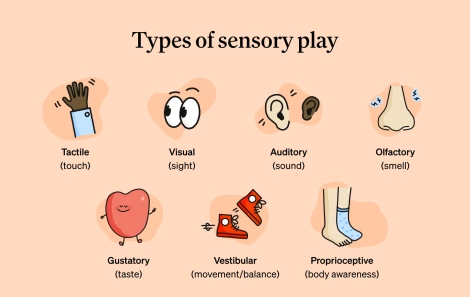
Sensory play is a type of learning activity that engages a child’s senses—touch, sight, sound, smell, taste, movement, and body awareness—to help them explore, understand, and interact with the world around them. When children squeeze playdough, pour water, touch different textures, listen to sounds, or move through an obstacle course, their brain creates strong connections that support learning, communication, motor skills, and emotional development. Sensory play encourages curiosity, strengthens problem-solving skills, and helps children build confidence through hands-on experiences.
Key Features of Sensory Play
- Involves hands-on exploration through multiple senses
- Helps children learn how things feel, sound, look, and move
- Builds brain development and strengthens neural pathways
- Supports fine and gross motor skill growth
- Improves attention, language, and social interaction
- Helps with emotional regulation and calming
Why is sensory play important?
Sensory play is important because it helps children learn through direct, hands-on experiences that strengthen their brain, body, and communication skills. When children explore different textures, sounds, movements, and materials, they build a strong developmental foundation that supports learning, behaviour, and emotional growth.
Key Reasons Sensory Play Matters
- Builds brain connections
Repeated sensory experiences strengthen neural pathways, improving memory, focus, and overall learning ability. - Supports motor development
Activities like scooping, squeezing, climbing, and balancing help develop both fine motor and gross motor skills. - Improves self-regulation
Sensory input can calm an overwhelmed child or energize a low-alert child, helping them manage emotions and behaviour. - Boosts language and thinking skills
Describing textures, actions, colors, and quantities builds vocabulary, communication, and early cognitive skills. - Encourages exploration and problem-solving
Children discover cause-and-effect, compare materials, and learn early science and reasoning through hands-on play. - Enhances social skills
Group sensory activities teach turn-taking, sharing, cooperation, and peer interaction.
When can you start sensory play?
You can start sensory play right from birth, as long as activities are safe and age-appropriate. Sensory experiences grow with your child and can be adapted for each stage:
- 0–6 months: This stage focuses on gentle and soothing sensory experiences. Activities may include soft fabric exploration, tummy time on different textures, high-contrast visual cards, gentle rattles, mobiles, and warm–cool washcloths during bath time.
- 6–12 months: Babies at this age start exploring with their hands and mouths, so supervised play is essential. Offer safe food textures like mashed foods, cooked pasta, or edible sensory trays.
- 1–3 years: Toddlers enjoy messy, hands-on activities. Introduce playdough, sand, mud, finger painting, scooping and pouring activities, bubbles, and nature-based sensory walks.
- 3–6 years and above: Advanced sensory bins, messy play, obstacle courses, sensory-rich art projects, and themed sensory exploration.
Always ensure close supervision and choose materials appropriate for your child’s age and safety level.
Types of Sensory Play Activities for Children
Sensory play activities can be tailored to stimulate specific senses, helping children explore, learn, and regulate their bodies. Below are detailed and practical ideas for each sensory system.
Touch (Tactile)
Activities that help children explore textures, temperature, pressure, and touch sensations.
- Sensory bins: Fill with rice, lentils, beans, kinetic sand, or pasta. Add scoops, cups, funnels, and small toys to encourage digging, pouring, and searching.
- Playdough & clay: Rolling, flattening, pinching, and molding strengthen hand muscles and improve finger coordination.
- Texture walk: Create a path using carpet squares, bubble wrap, grass, sandpaper, and tiles for barefoot exploration.
- Messy play: Foam, shaving cream (for older kids), mud play, and finger painting promote creativity and tactile tolerance.
Movement (Vestibular & Proprioceptive)
These senses help with balance, body awareness, and coordination.
- Swinging or rocking: Hammock swings, therapy balls, and rocking chairs provide calming or alerting input.
- Obstacle course: Combine crawl tunnels, balance beams, stools, hoops, and stepping stones to improve gross motor skills.
- Heavy work: Pushing a loaded box, pulling resistance bands, wall push-ups, carrying small weighted bags—excellent for calming overstimulated children.
- Jumping activities: Trampoline jumps, hopscotch, and jumping into a pile of cushions offer strong proprioceptive feedback.
Sight (Visual)
Supports visual tracking, focus, and early reading readiness.
- Light table play: Use transparent blocks, colored shapes, or leaves for glowing exploration.
- Colored water bottles: Shake or roll bottles filled with glitter, beads, and colored liquid to help visual tracking.
- Bubble play: Blowing and popping bubbles builds attention, eye-hand coordination, and visual scanning.
- Shadow play: Flashlights and shadows help kids understand light movement and shapes.
Sound (Auditory)
Great for listening skills, rhythm awareness, and language development.
- Homemade instruments: Shakers (rice in bottles), tin drums, metal lids, and rhythm sticks for musical exploration.
- Listening walks: Encourage children to identify birds, traffic, leaves rustling, or distant sounds.
- Sound matching games: Match recorded sounds to objects or pictures to build auditory processing.
Storytime with sound effects: Adds fun and boosts auditory memory.
How to run a sensory play session?
- Decide the goal. Choose whether you want to calm, stimulate, improve motor skills, or practice language.
- Select materials. Pick safe, age-appropriate items (non-toxic, large enough to avoid choking).
- Set up the space. Use washable mats or trays to contain mess. Ensure easy cleanup and supervision.
- Introducing the activity. Model how to touch, scoop, or describe — narrate what you or the child do.
- Encourage exploration. Let the child lead. Offer new tools or challenges if they lose interest.
- Add language. Use descriptive words (soft, squishy, slow, fast) to build vocabulary.
- Observe & adapt. If the child is overstimulated, shift to calming sensory input (deep pressure, soft fabrics).
- End gently. Signal wind-down with a consistent cue (song or clean-up game). Praise effort, not just outcome.
Sample simple weekly plan
A consistent routine helps children get the right amount of sensory input without overwhelming them. Here is an easy weekly plan parents can follow at home:
- Monday — Tactile Play:
Set up a rice or lentil sensory bin with scoops, cups, and small toys. Encourage your child to pour, dig, and search for hidden objects. (10–20 minutes of focused tactile exploration) - Wednesday — Movement Activity:
Create a small indoor obstacle course using pillows, tunnels, cushions, stools, or tape lines on the floor. This helps with balance, strength, and body awareness. (15–25 minutes of active movement) - Friday — Art & Visual Play:
Try finger painting or sponge painting on a large sheet of paper. Let your child mix colors, make handprints, and explore patterns. Great for creativity and visual tracking. (Around 20 minutes) - Weekend — Family Sensory Walk:
Take a walk as a family and explore the environment:- Touch tree bark, leaves, or stones
- Listen to birds, wind, traffic
- Smell flowers, herbs, or rain
- Observe colors, shapes, and movement around
- This outdoor sensory walk offers a full-body experience and deep bonding time. (30+ minutes)
Safety tips & material checklist
- Never leave a child unsupervised during sensory play, especially with small parts or food.
- Use non-toxic materials and check for allergies (especially for taste/smell play).
- Keep choking hazards out of reach for children under 3.
- Clean and rotate materials regularly to prevent contamination.
- Have wet wipes, towels, and a change of clothes ready.
Basic materials: trays, scoops, bowls, playdough, rice/beans, water table, brushes, sensory bottles, soft fabrics, safe tools (measuring cups, spoons).
Common questions (FAQs)
Q: Does sensory play make a mess?
A: Yes — but you can contain mess with trays, mats, and limited quantities. Mess = learning; manageable mess = happy caregivers.
Q: My child avoids certain textures. Is that normal?
A: Yes. Sensory sensitivities are common. Start slowly, pair the texture with play they enjoy, and never force.
Q: Can sensory play replace therapy?
A: Sensory play complements professional therapies (occupational, speech). For significant sensory processing concerns, consult a therapist.
Conclusion
Sensory play activities are powerful, low-cost ways to support your child’s development from infancy through school age. By understanding what is sensory play activity and using simple, safe steps, parents and educators can create joyful, meaningful learning moments every day.
Want help building a sensory play routine tailored to your child’s needs? Contact PediGym for expert guidance and customized plans.

Dr. Nitin, Founder of PediGym Child Development Center, is a dedicated pediatric therapy expert and DMI Level C Certified Therapist leading structured, evidence-based therapy programs in Faridabad and Gurgaon. Under his guidance, PediGym provides comprehensive pediatric rehabilitation focused on improving motor skills, coordination, sensory processing, speech clarity, and functional independence through personalized intervention plans.