Therapeutic Listening Program
Therapeutic Listening Program helps children improve focus, attention, and communication through structured, sound-based therapy sessions.

What is Therapeutic Listening?
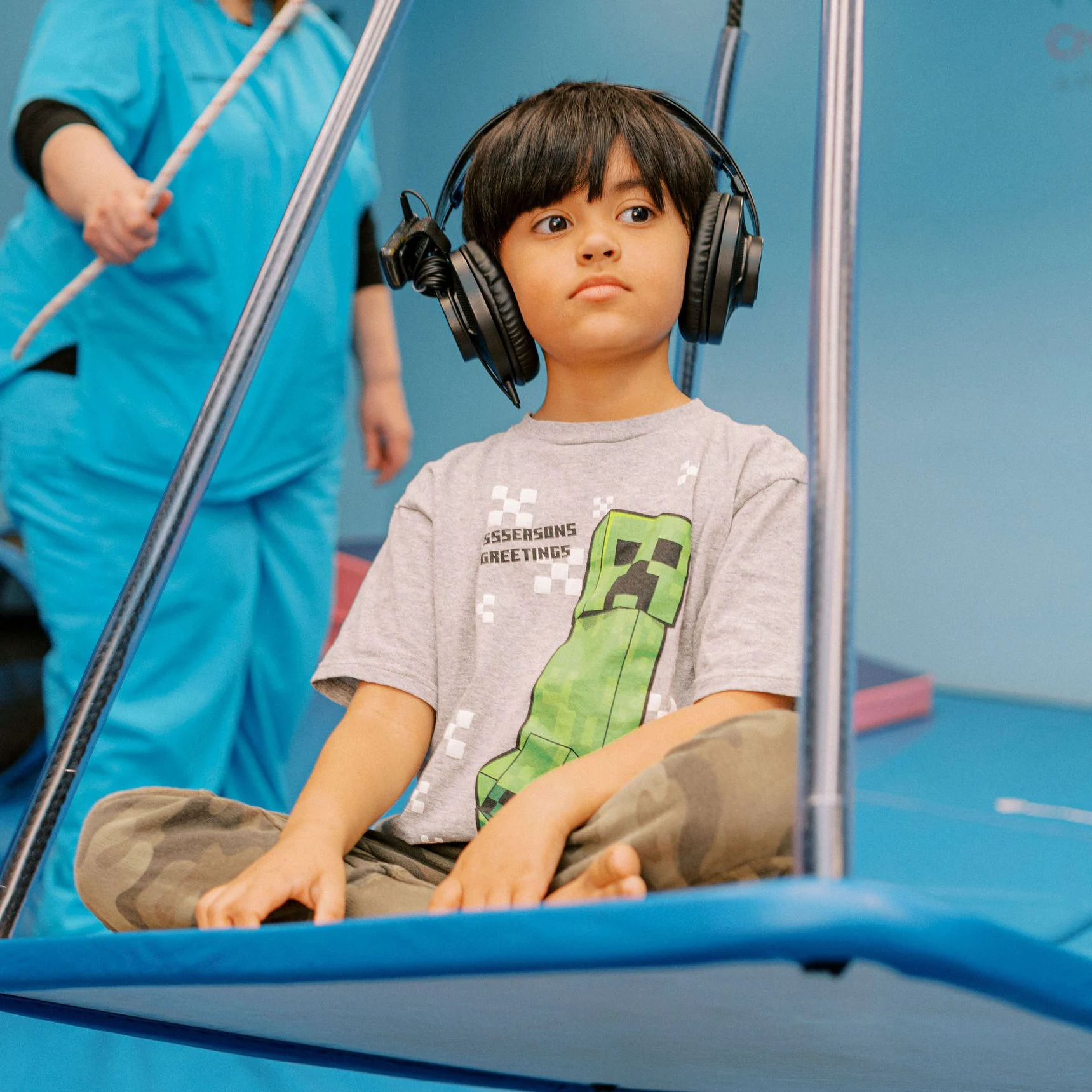
Therapeutic Listening is a sound-based therapy that uses specially modified music to improve brain processing, attention, balance, and communication. Delivered through high-quality headphones, this therapy stimulates the auditory system and supports regulation of attention, behavior, sensory processing, and emotional control.
It is commonly recommended for children with:
- Autism Spectrum Disorder (ASD)
- ADHD and attention difficulties
- Sensory Processing Disorder (SPD)
- Speech and language delays
- Developmental delays
- Emotional regulation challenges
How Therapeutic Listening Works?
The auditory system plays a key role in attention, body awareness, balance, and emotional stability. When sound processing is inefficient, children may show signs such as hypersensitivity to noise, poor focus, impulsivity, anxiety, or delayed communication.
Therapeutic Listening works by:
- Stimulating neural pathways related to auditory processing
- Improving sensory modulation and regulation
- Enhancing attention and concentration
- Supporting speech and language development
- Strengthening the brain-body connection
Over time, structured listening sessions help the nervous system respond to sensory input in a more organized and adaptive way.

Who Can Benefit from Therapeutic Listening Therapy?
Therapeutic Listening can benefit children who experience difficulties with attention, sensory processing, learning, and emotional regulation. By supporting the brain’s ability to process sound and sensory input more effectively, it may help children stay calmer, improve focus, manage sensory overload, and respond better in daily routines, school, and social situations.
Key Benefits
- Improves Attention and Concentration: By stimulating the auditory pathways, therapeutic listening helps children improve focus, task completion, classroom participation, and learning readiness.
- Enhances Emotional Regulation: Supports better nervous system regulation, reducing anxiety, sensory overload, irritability, and frequent meltdowns.
- Strengthens Sensory Processing Skills: Improves the brain’s ability to interpret and respond appropriately to everyday sounds, helping children feel calmer and more organized.
- Supports Speech and Language Development: Enhances auditory discrimination, listening comprehension, and verbal processing, which are essential for communication and academic growth.
- Improves Body Awareness and Motor Coordination: The auditory system is closely linked to balance and posture. Therapeutic Listening can positively influence coordination, movement planning, and physical stability.
Our Approach for Therapeutic Listening Services in Faridabad & Gurgaon
At PediGym, we provide a complete range of Therapeutic Listening services in Faridabad and Gurgaon, designed to help each child reach their full potential.
We begin with a detailed evaluation to understand your child’s sensory and developmental needs.
Each child receives a tailored program with specific sound tracks to support their growth.
Our trained professionals closely monitor progress and adjust therapy as needed.
We educate parents to continue supportive activities at home for better, lasting results.


Early Support Can Change Your Child’s Future
Therapeutic Listening helps children process sounds accurately, respond appropriately, and improve behavior, communication, and learning. With better listening skills, they gain confidence and perform better academically and socially.
All methods follow research-backed auditory and sensory integration techniques to achieve safe and measurable outcomes.
We address auditory processing, motor coordination, social skills, and emotional regulation as part of a comprehensive developmental plan.
Parents receive updates, guidance, and practical tips to reinforce therapy at home and monitor progress consistently.
Frequently Asked Questions
Therapeutic Listening® is a sound-based intervention that delivers electronically modified music through high-quality headphones to stimulate the auditory and nervous systems. This auditory input is designed to help the brain organize, interpret, and respond to sensory information more efficiently — improving focus, self-regulation, balance, and communication. It works as part of a sensory integration program and is tailored to each individual’s needs by a trained therapist.
Therapeutic Listening can benefit both children and adults who experience challenges with sensory processing, attention, communication, emotional regulation, or motor planning. It’s often recommended for individuals with autism spectrum disorder (ASD), ADHD, sensory processing disorder (SPD), auditory processing challenges, language delays, or learning difficulties. A certified therapist evaluates the individual first to determine if Therapeutic Listening is appropriate.
People participating in Therapeutic Listening programs often see improvements in:
• Attention and focus
• Sensory integration and emotional regulation
• Communication and social interaction skills
• Motor planning and coordination
• Postural control and body awareness
• Sleep and daily routines
These benefits come from consistent, structured auditory stimulation that supports the nervous system’s ability to organize sensory information.
A typical Therapeutic Listening program ranges from 8–12 weeks or more, depending on the individual’s goals and response. Most protocols involve twice-daily listening sessions of about 20–30 minutes, with music selections periodically updated by the therapist to support ongoing progress. Progress is monitored regularly to adjust the program for maximum benefit.
Yes — after an initial assessment by a therapist, Therapeutic Listening can be implemented at home. Essential equipment typically includes specialized headphones and access to the individualized sound tracks recommended by the therapist. Listening is often combined with activities or sensory strategies to enhance overall outcomes and integrate therapy into everyday routines.
Boost Attention and Learning with
Therapeutic
Listening.
Book a comprehensive assessment at PediGym Child Development Center and unlock your child’s full potential.
DMI Level C Certified
Advanced Pediatric Care
Goal-Oriented Therapy