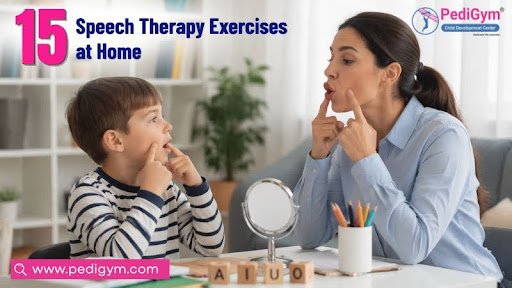
Speech therapy exercises are simple techniques designed to improve speech clarity, pronunciation, and communication skills. Practicing speech therapy exercises at home is an effective way to support consistent progress for children, toddlers, and adults, including those needing speech therapy post stroke.
With easy, practical, daily-use activities, you can improve speech without needing complex tools—right from the comfort of your home.
Key Takeaways
- Practicing speech therapy exercises at home consistently can lead to noticeable improvements in communication skills.
- Regular practice helps enhance speech clarity, build confidence, and strengthen thinking abilities over time.
- These exercises are effective for children, toddlers, and individuals recovering from stroke.
- A structured routine with repetition supports smoother and more confident speech recovery.
- Combining expert guidance with home practice delivers faster and more sustainable results.
Why Consider Speech Therapy?
Speech therapy is not only about correcting speech—it plays a much bigger role in improving overall communication and quality of life. It helps children develop language skills, supports adults in expressing themselves better, and is especially useful for individuals recovering after conditions like stroke.
Improved Communication Skills
One of the main goals of speech therapy is to make communication clearer and more effective. It helps individuals improve pronunciation, understand language better, and express their thoughts with ease. For children, this means better vocabulary and learning ability, while adults—especially after a stroke—can regain smoother communication.
Increased Confidence
When someone struggles to communicate, it can affect their confidence in social situations. Speech therapy gradually reduces this hesitation by improving clarity and expression. As a result, individuals feel more comfortable speaking, sharing ideas, and engaging with others in daily life.
Better Cognitive-Communication
Speech therapy also works on important thinking skills like memory, attention, and organizing thoughts. This is particularly helpful for individuals undergoing speech rehabilitation after stroke or other neurological conditions, where communication and thinking are closely connected.
Enhancing Social Skills
Effective communication is not just about speaking clearly—it’s also about understanding and interacting with others. Speech therapy helps individuals learn how to take turns in conversations, read social cues, and respond appropriately, making interactions more natural and confident.
Improvement in Other Daily Functions
In addition to communication, speech therapy can support physical functions like mouth movement and swallowing. This is especially important for individuals recovering from medical conditions, as it helps make everyday activities like eating and speaking safer and more comfortable.
15 Speech Therapy Exercises to Practice at Home
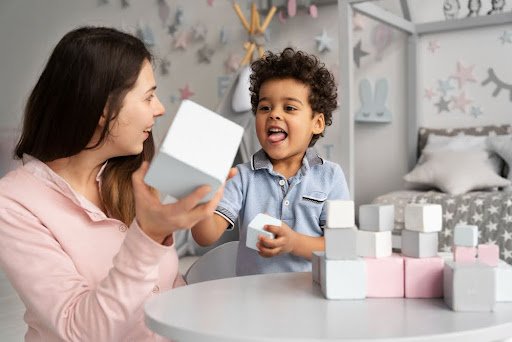
1. Give Choices to Encourage Communication
It’s natural to understand what your child needs without them saying a word. But when we always guess, they miss the chance to express themselves.
Instead, try offering simple choices during daily activities. This creates small moments where they need to respond using words. Over time, these moments build strong communication habits.
For example, instead of directly giving a snack, ask, “Do you want an apple or a banana?” and give them time to answer.
2. Model Simple Language
Children pick up language from what they hear every day. If the words are simple and clear, they are more likely to understand and repeat them.
Using short phrases doesn’t mean limiting learning—it actually makes it easier for them to start speaking confidently. Gradually, they will begin forming longer sentences on their own.
For instance, while playing, say “Push car” or “Throw ball” instead of using long instructions.
3. Practice Breathing Control
Speech depends a lot on how well we control our breath. If breathing is uneven, words may come out unclear or broken.
Simple breathing practice can help improve speech flow and make talking feel more comfortable. It also helps in speaking longer sentences without stopping.
Try asking them to take a deep breath and say something like “I want to go outside” slowly and steadily.

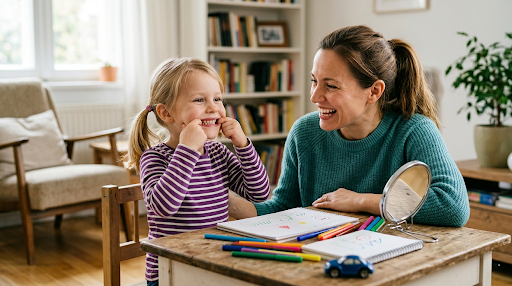
4. Try Lip Movement Exercises
Clear speech needs strong and flexible lip movements. These muscles play a key role in forming sounds properly.
The good thing is, these exercises can feel like play rather than practice. Making funny faces often works better than formal instructions.
You can ask them to switch between a wide smile and a rounded lip shape, like blowing a kiss.
5. Do Simple Tongue Exercises
The tongue helps shape many sounds, so improving its movement can make speech clearer. Some children may find it difficult to control tongue movements at first.
Regular practice can make it easier over time and improve pronunciation naturally. It doesn’t have to be complicated—just small, repeated actions help.
For example, ask them to move their tongue side to side or try touching their nose or chin.
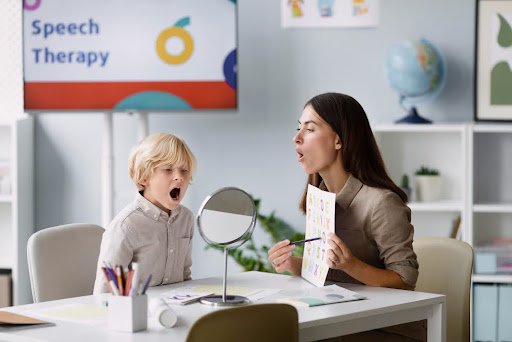
6. Use Mirror Practice
Seeing how words are formed can make a big difference. A mirror helps them notice their mouth movements while speaking.
This awareness helps them adjust and improve without constant correction. It also makes the activity more engaging and interactive.
Stand with them in front of a mirror and say simple words like “pa,” “ba,” or “ma,” and let them copy you.
7. Read Aloud Together
Reading aloud is a simple habit that supports better speech over time. It improves pronunciation, builds vocabulary, and boosts confidence.
When done regularly, it also helps them get comfortable with speaking in full sentences. Keep it light and enjoyable instead of making it feel like practice.
Pick a short story and read together, encouraging them to repeat a line after you.
8. Encourage Slow and Clear Speech
Speaking too quickly often makes words unclear. Slowing down gives enough time to form each word properly.
It also helps the listener understand better and reduces the chances of mistakes. With practice, this becomes a natural speaking habit.
You can guide them by saying a sentence slowly, like “I… want… juice,” and asking them to repeat in the same way.
9. Practice Sound Repetition
Some sounds can be tricky and need extra practice. Repeating them regularly helps improve clarity and confidence in speaking.
The key is to keep it light and not repetitive in a boring way. Short and fun practice sessions work best.
For example, practice words like “sun,” “sip,” or “red” a few times during the day.
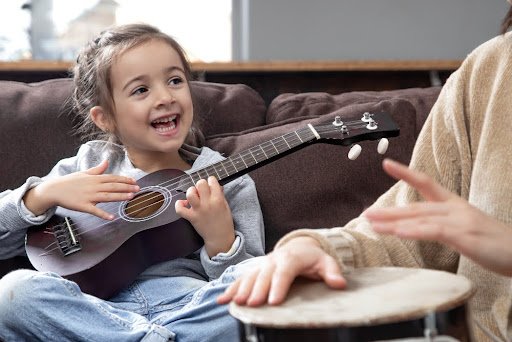
10. Sing Songs Together
Songs are a natural way to learn speech patterns. They help with rhythm, pronunciation, and memory without feeling like practice.
Children especially respond well to music, making it easier for them to repeat words and phrases. It also keeps them engaged for longer.
Try singing simple rhymes together and encourage them to join in and repeat the lines.
11. Describe Pictures
Pictures can be a great way to start conversations, especially when someone is unsure what to say. It helps build vocabulary and encourages them to form simple sentences.
You don’t need anything fancy—just use a book, magazine, or even images on your phone. The goal is to make them observe and express what they see.
For example, show a picture and ask, “What is happening here?” or “Who is this?” and gently guide them to answer in their own words.
12. Name Everyday Objects
Learning doesn’t always need a separate time or setup. Daily routines offer plenty of opportunities to build language naturally by naming things around you.
When words are repeated in real situations, they become easier to remember and use. This also helps in connecting objects with their names.
For instance, while eating, you can point to items and say “plate,” “spoon,” or “water,” and encourage them to repeat after you.
13. Practice Storytelling
Storytelling helps in organizing thoughts and speaking in complete sentences. It also improves confidence, as they learn to express ideas in their own way.
You can start with simple questions and slowly build into short stories. There’s no need for perfection—what matters is expression.
For example, ask “What did you do today?” or “What happened at school?” and let them answer without interrupting.
14. Include Blowing Activities
Strong breath control is important for clear speech, and blowing activities can help develop this in a fun way. These exercises also strengthen mouth muscles.
Since they feel like play, children usually enjoy doing them without realizing they are practicing.
You can ask them to blow bubbles, candles, or even small paper pieces across a table to make it more engaging.
15. Use Flashcards and Daily Conversations
Flashcards are helpful for learning new words, but real improvement happens when those words are used in everyday conversation.
Try to combine both—introduce a word and then use it naturally during the day. This makes learning more practical and long-lasting.
For example, show a flashcard of a fruit and ask “What is this?” Later, you can say, “Let’s eat an apple,” to reinforce the same word.
How to Do Speech Therapy at Home
Practicing at home can make a real difference when done consistently and with the right approach. It doesn’t have to feel like a strict routine—small, regular efforts often lead to the best results.
Start by creating a simple daily routine so practice becomes a natural part of the day rather than a task. Even 15–20 minutes of focused activity can be effective over time.
Keep the sessions short, engaging, and interactive. Children and adults both respond better when activities feel enjoyable rather than repetitive. Using toys, pictures, and real-life objects can make learning more practical and relatable.
It’s equally important to stay patient and encouraging. Progress may be slow at times, but consistent support helps build confidence. Celebrate small improvements, as they play a big role in long-term success.
Try to track progress regularly, whether it’s improved pronunciation, better sentence formation, or increased confidence in speaking. This helps you understand what is working and where more focus is needed.
Most importantly, adapt the exercises based on age and condition. What works for a toddler may not be suitable for an adult recovering after a stroke, so flexibility is key.
Speech Therapy for Different Needs
Every individual has different communication challenges, so the approach should always be personalized.
Speech Therapy Exercises for Kids
For children, learning should feel like play. Activities like games, rhymes, and repetition work best because they keep kids engaged while naturally improving speech and language skills.
Speech Therapy for Toddlers at Home
Toddlers learn through simple interactions. Using basic words, sounds, gestures, and visual cues helps them understand and respond better. Repetition and consistency are especially important at this stage.
Speech Therapy Post Stroke
For individuals recovering after a stroke, the focus should be gradual and structured. Start with breathing exercises and basic sounds, then slowly move to words and short sentences. Consistent practice is essential for effective speech rehabilitation after stroke.
Conclusion
Practicing speech therapy exercises at home can significantly improve communication with regular effort and patience. Small, consistent steps lead to meaningful progress over time.
For the best results, combine home practice with expert support. At Pedigym, with guidance from Dr. Nitin Gupta (DMI Level C Therapist), individuals in Faridabad and Gurgaon receive personalized care to achieve better communication outcomes.

Dr. Nitin, Founder of PediGym Child Development Center, is a dedicated pediatric therapy expert and DMI Level C Certified Therapist leading structured, evidence-based therapy programs in Faridabad and Gurgaon. Under his guidance, PediGym provides comprehensive pediatric rehabilitation focused on improving motor skills, coordination, sensory processing, speech clarity, and functional independence through personalized intervention plans.