
Speech therapy helps children improve how they speak, understand language, and communicate with others. A child may benefit from speech therapy if they are not meeting speech milestones, have unclear speech, struggle to follow instructions, stutter, or become frustrated when trying to communicate. Early support—especially before age 5—can significantly improve communication skills, confidence, and social development.
If you’ve noticed your child isn’t talking as much as other children their age—or their speech is difficult to understand even at home—you may be wondering whether this is something they will outgrow or whether they need professional support.
Many parents first notice a concern during everyday moments—when their child points instead of using words, struggles to answer simple questions, or becomes frustrated because others don’t understand what they’re trying to say.
One of the easiest ways to understand whether your child’s communication is developing as expected is to look at age-appropriate speech and language milestones.
Speech and Language Milestones: What to Expect
One of the most common questions parents ask is:
“How do I know if my child’s speech is developing normally?”
While every child develops at their own pace, these milestones can provide a useful guide.
Age | Typical Communication Skills |
12 Months | Responds to name, understands simple words, says “mama” or “dada” meaningfully |
18 Months | Uses 10–20 words, points to familiar objects, follows simple instructions |
2 Years | Uses around 50 words, combines two words together, follows simple directions |
3 Years | Speaks in short sentences, asks simple questions, and is understood most of the time |
4–5 Years | Speaks clearly, tells simple stories, and follows multi-step instructions |
If your child is significantly behind these milestones, a speech and language assessment may be helpful.
What Is Speech Therapy?
Speech therapy is a specialized service that helps children improve communication, language development, speech clarity, social interaction, and, in some cases, feeding and swallowing skills.
The goal is not simply to help children pronounce words correctly. It is to help them express their needs, share ideas, build relationships, participate in learning, and communicate confidently in everyday situations.
Every child communicates differently, which is why speech therapy is tailored to each child’s individual strengths and challenges.
Signs Your Child May Need Speech Therapy
A child may need speech therapy if they are not meeting speech milestones, have difficulty expressing themselves, struggle to understand language, or become frustrated when communicating.
Some common signs include:
- Limited vocabulary for their age
- Difficulty combining words into sentences
- Speech that is difficult for family members or teachers to understand
- Trouble following age-appropriate instructions
- Frequent stuttering or repetition of sounds
- Difficulty interacting socially due to communication challenges
- Frustration, tantrums, or withdrawal when trying to communicate
- Difficulty understanding questions or responding appropriately
While every child develops differently, persistent communication difficulties should not be ignored.
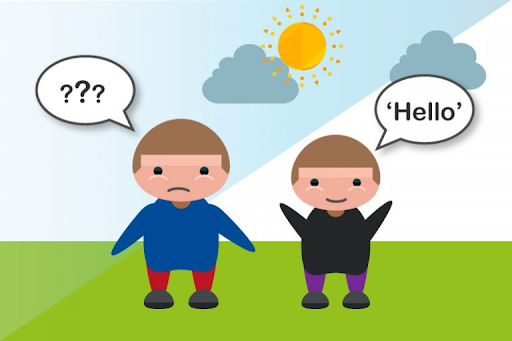
Will My Child Catch Up on Their Own?
This is often the question parents worry about most.
The honest answer is that some children do catch up naturally, while others need additional support to develop age-appropriate communication skills.
The challenge is that it can be difficult to know the difference without a professional evaluation. Waiting too long may mean missing an important period when children learn language most rapidly.
If you have concerns, an assessment does not automatically mean therapy is needed. It simply provides clarity and helps you understand whether your child’s development is progressing as expected.
Children Who Benefit From Speech Therapy
Speech therapy can support children with a wide range of communication challenges.
Speech and Language Delays
Children who are slower to develop speech, vocabulary, sentence formation, or language understanding than expected for their age.
Articulation and Speech Sound Disorders
Children who have difficulty producing certain sounds correctly, making speech difficult for others to understand.
Stuttering and Fluency Disorders
Children who experience repetitions, prolongations, or interruptions in the natural flow of speech.
Autism and Social Communication Challenges
Children who need support with communication, language development, social interaction, and understanding social cues.
Feeding and Swallowing Challenges
Some children experience difficulties with chewing, swallowing, drinking from cups, transitioning to solid foods, or coordinating oral muscles during feeding. Speech therapists can help improve these skills and support safer, more comfortable feeding experiences.

Speech Delay vs Language Delay: What's the Difference?
Speech delay means a child has difficulty producing sounds or words clearly. Language delay means a child has difficulty understanding language or using words and sentences to communicate. A child can experience one or both challenges at the same time.
For example:
- A child who understands instructions but struggles to pronounce words may have a speech delay.
- A child who speaks clearly but has difficulty understanding questions or expressing ideas may have a language delay.
Understanding this difference helps therapists identify the most effective treatment approach and create goals tailored to the child’s specific needs.
Why Early Intervention Matters
Starting speech therapy before age 5 often produces the strongest results because the brain is most adaptable during early childhood.
During the early years, children learn language rapidly through everyday interactions, play, observation, and communication. Early support can strengthen these skills before difficulties begin affecting learning, social relationships, confidence, or emotional well-being.
The earlier challenges are identified, the sooner children can receive the support they need to communicate more effectively.
What Happens During Speech Therapy?
Many parents worry that therapy will feel stressful or overwhelming for their child. In reality, speech therapy sessions are usually designed to be engaging, interactive, and age-appropriate.
The process begins with a detailed assessment to understand how your child communicates, what they understand, and where they may need support. Based on this evaluation, the therapist creates a personalised plan with clear goals tailored to your child’s needs.
For younger children, sessions are often play-based and may include games, storytelling, conversation practice, and language-building activities. Parents are regularly updated on progress and given simple strategies to use at home, helping children practice their new skills in everyday situations.
A Story Many Parents Relate To
One family visited PediGym because their four-year-old son was speaking in sentences, but most people outside the family struggled to understand him.
At home, everyone had learned to interpret what he was saying, so the concern wasn’t immediately obvious. However, his preschool teachers noticed that he rarely participated in group discussions because he worried others wouldn’t understand him.
After several months of speech therapy and regular practice at home, his speech became clearer and his confidence improved significantly. He started participating more actively in class and became more comfortable interacting with other children.
Every child’s journey is different, but communication challenges often affect much more than speech—they can influence confidence, learning, and social relationships.
Why Parents Choose PediGym for Speech Therapy in Gurgaon
Choosing a speech therapist isn’t just about qualifications—it’s about finding someone who understands your child’s unique strengths, challenges, and personality.
At PediGym, therapy is designed to fit naturally into a child’s daily life through play, interaction, and family involvement. Parents are encouraged to be active participants in the process so that progress continues beyond the therapy room.
Families also value having access to a multidisciplinary team under one roof, making it easier to coordinate support when speech challenges are linked to broader developmental, sensory, or learning needs.
Under the guidance of Dr. Nitin Gupta, a Developmental and Behavioral Pediatrician and DMI Level C Certified Therapist, the team provides evidence-based, child-centred care that supports both communication and overall development.
Conveniently located in DLF Phase 2, Gurgaon, PediGym provides speech therapy and developmental services in a child-friendly environment designed to help children feel comfortable, engaged, and confident.
The focus is always on helping children communicate more confidently in real-life situations—at home, in school, and in social settings.
Frequently Asked Questions
At what age should a child start speech therapy?
Children can benefit from speech therapy as early as infancy or toddlerhood if communication concerns are identified. Early intervention often leads to better outcomes.
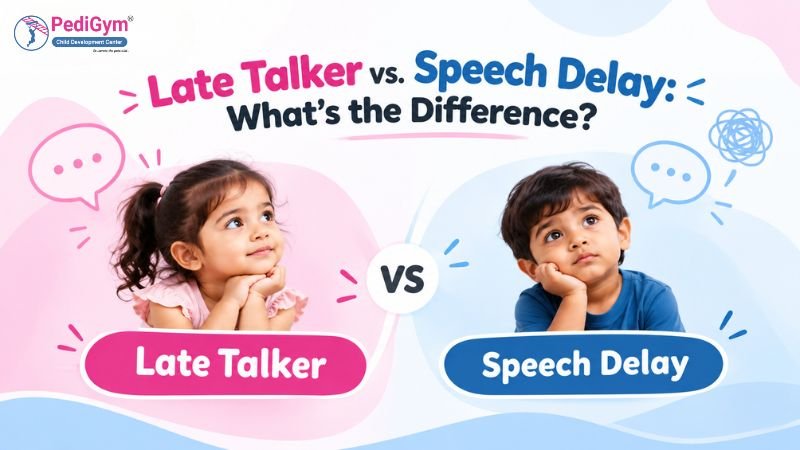
Does every late talker need speech therapy?
No. Some children catch up naturally. However, a professional evaluation can help determine whether additional support is needed.
How long does speech therapy take?
The duration varies depending on the child’s needs, goals, and consistency of practice both during therapy and at home.
Can parents help improve speech at home?
Yes. Reading together, talking throughout the day, singing songs, and practicing therapist-recommended activities can significantly support language development.
How do I find the right speech therapist for my child in Gurgaon?
Look for a qualified speech-language therapist who has experience working with children and takes time to understand your child’s individual needs before recommending therapy. A good therapist should involve parents in the process, set clear goals, and explain progress in a way that is easy to understand.
If you’re unsure where to start, scheduling an assessment can help you understand your child’s strengths, challenges, and whether therapy is needed.
Conclusion
If you’re unsure whether your child’s speech is developing as expected, the most helpful first step is a professional assessment. Even if everything turns out to be on track, early clarity is often better than months of uncertainty.
And if support is needed, starting early can help your child build stronger communication skills, confidence, and independence during the years when development happens most rapidly.

Dr. Nitin, Founder of PediGym Child Development Center, is a dedicated pediatric therapy expert and DMI Level C Certified Therapist leading structured, evidence-based therapy programs in Faridabad and Gurgaon. Under his guidance, PediGym provides comprehensive pediatric rehabilitation focused on improving motor skills, coordination, sensory processing, speech clarity, and functional independence through personalized intervention plans.