Many children struggle with reading and writing during their early school years. While some outgrow these challenges, others continue to face difficulties that may raise concerns about learning disorders. One such commonly misunderstood term is borderline dyslexia. Understanding what borderline dyslexia means can help parents and educators identify early signs and provide timely support.
What Is Borderline Dyslexia?
Borderline dyslexia is not a formal medical diagnosis, but it is a term often used to describe children who show mild or early signs of dyslexia without meeting the full diagnostic criteria. These children may perform at the lower end of average in reading and language skills and struggle more than their peers, especially in academic settings.
Children with borderline dyslexia may have learning abilities that fall between typical development and diagnosed dyslexia. With early intervention, many of these children can significantly improve their reading and writing skills.
Early Signs of Borderline Dyslexia in Children
Children with borderline dyslexia often display mild and subtle learning difficulties, which can easily be mistaken for lack of practice or temporary academic delay. These early signs usually appear during preschool or the early primary school years and may become more noticeable as classroom expectations increase. Common early indicators include:
- Slow or hesitant reading – The child may read word by word, pause frequently, or struggle to read smoothly. Reading aloud may feel tiring, and the child may take much longer than peers to complete reading tasks.
- Difficulty recognizing letters and sounds – Children may struggle to connect letters with their corresponding sounds, making phonics-based learning challenging. They may forget letter sounds even after repeated practice.
- Frequent spelling mistakes – Spelling may appear inconsistent, with the same word spelled differently each time. Errors often include missing letters, reversed letters, or incorrect sound patterns.
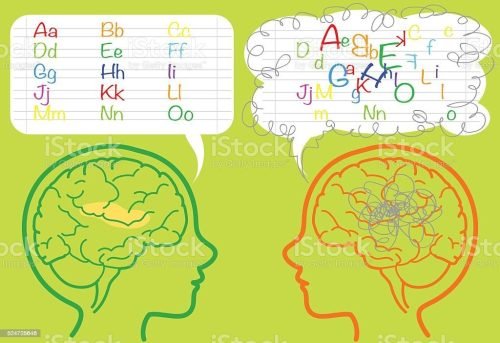
- Confusion between similar-looking letters (b/d, p/q) – Letter reversals and visual confusion are common, especially when reading or writing quickly. This may also include difficulty distinguishing similar-sounding letters.
As academic demands increase—such as longer reading passages, written assignments, and spelling tests—these challenges may become more apparent. Early recognition of these signs allows timely support, helping prevent future academic difficulties and emotional stress.
Causes of Borderline Dyslexia
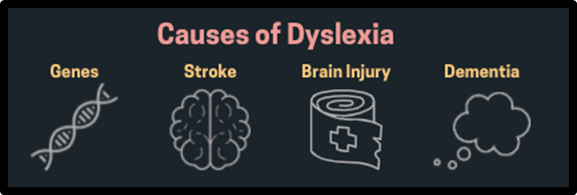
The causes of borderline dyslexia are similar to those of dyslexia and usually involve a combination of genetic, neurological, and environmental factors. These factors affect how a child’s brain processes language, especially reading and spelling
- Family history of learning difficulties
- Delayed language development
- Weak phonological awareness
- Difficulty with auditory processing
- Limited early exposure to language-rich environments
It is important to note that borderline dyslexia is not caused by laziness, lack of intelligence, or poor motivation. With early identification, appropriate intervention, and consistent support, children can make strong progress in their learning journey.
How Borderline Dyslexia Affects Learning?
Borderline dyslexia can have a noticeable impact on a child’s learning experience, especially as academic expectations increase. Although the difficulties may appear mild, they can influence multiple areas of classroom performance and emotional well-being if proper support is not provided. Children with borderline dyslexia may:
- Take longer to complete reading and writing tasks – Reading passages, copying from the board, and written assignments often require extra time and effort.
- Struggle with classroom instructions that involve reading – Instructions written on worksheets, textbooks, or the board may be difficult to understand.
- Have difficulty with spelling, note-taking, and written expression – Organizing thoughts into written form may be challenging.
- Lose confidence in academic abilities – Repeated struggles compared to peers may affect self-esteem.
If left unaddressed, these challenges can impact overall academic performance, classroom participation, and emotional development. Early identification and targeted support help children build essential learning skills and maintain a positive attitude toward education.
Diagnosis and Assessment
Since borderline dyslexia is not a formal medical diagnosis, identifying it requires a comprehensive and collaborative evaluation process. The goal of assessment is to understand the child’s learning profile, identify areas of difficulty, and determine the type of support needed.
- Educational assessments
- Reading and language skill evaluations
- Observations by teachers and therapists
- Input from parents regarding learning difficulties
Early screening by professionals such as occupational therapists, speech therapists, or special educators helps identify specific learning needs and allows timely intervention. Early assessment ensures that children receive appropriate support before academic challenges become more severe.
Intervention and Support for Borderline Dyslexia
Early intervention plays a crucial role in supporting children with borderline dyslexia. When learning challenges are identified early, targeted therapy and structured support can significantly improve reading, writing, and overall academic performance. Effective strategies may include:
- Phonics-based reading programs
- Multisensory learning approaches
- Speech and language therapy
- Occupational therapy for visual and auditory processing
- Individualized learning plans
At PediGYM, therapy programs are carefully designed to strengthen foundational learning skills, improve academic readiness, and support children at risk of learning difficulties.
Tips for Parents to Support Their Child
Parents play a crucial role in supporting a child with borderline dyslexia. With patience, understanding, and the right strategies at home, children can gain confidence and improve their learning skills over time.
- Encouraging regular reading in a stress-free way
- Using audiobooks and visual aids
- Praising effort rather than accuracy
- Communicating regularly with teachers
- Seeking professional guidance early
A supportive, patient, and encouraging environment can make a significant difference in a child’s academic progress, emotional well-being, and long-term confidence.
Can Children Outgrow Borderline Dyslexia?
With early identification and consistent support, many children with borderline dyslexia show significant improvement. Some may no longer struggle academically, while others may need ongoing strategies to manage learning challenges effectively.
Final Thoughts
Understanding the borderline dyslexia meaning in children helps parents recognize that learning struggles exist on a spectrum. Early awareness, professional support, and targeted intervention can empower children to build strong reading skills and academic confidence. If you have concerns about your child’s learning development, seeking expert guidance early can lead to positive, long-term outcomes.

Dr. Nitin, Founder of PediGym Child Development Center, is a dedicated pediatric therapy expert and DMI Level C Certified Therapist leading structured, evidence-based therapy programs in Faridabad and Gurgaon. Under his guidance, PediGym provides comprehensive pediatric rehabilitation focused on improving motor skills, coordination, sensory processing, speech clarity, and functional independence through personalized intervention plans.