Medically reviewed by: Dr. Nitin Gupta, Founder, PediGym Child Development Center
Credentials: DMI Level C Certified Therapist
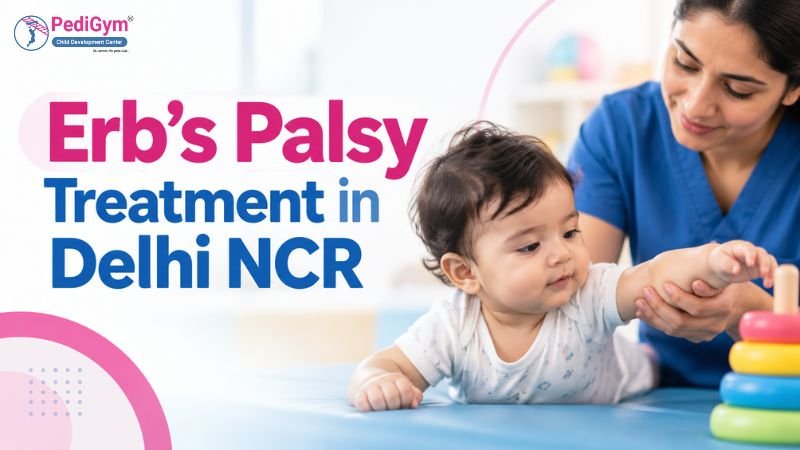
If your baby has reduced movement in one arm after birth, early assessment can help determine whether the problem is Erb’s palsy and whether physiotherapy, home exercises, monitoring or specialist referral is appropriate. Erb’s palsy usually affects the upper brachial plexus, particularly the C5–C6 nerve roots. Treatment depends on the severity of the nerve injury and how movement returns over time.
Our centres in Faridabad and Gurugram offer local rehabilitation for babies and children with Erb’s palsy.
Understanding Erb’s Palsy
Erb’s palsy is a type of brachial plexus injury affecting the nerves that control movement and sensation in the shoulder and arm. It most commonly involves the upper part of the brachial plexus, particularly the C5 and C6 nerve roots. Some injuries may also involve C7.
The brachial plexus is a network of nerves connecting the spinal cord with the shoulder, arm and hand. Depending on which nerves are affected, a child may have weakness, reduced movement or difficulty using the affected arm.
StatPearls reports that roughly half of neonatal brachial plexus palsy cases occur in otherwise uncomplicated deliveries without identifiable obstetric trauma. This injury is not caused by anything a parent did.
What Are the Different Types of Brachial Plexus Injury?
There are four main patterns of brachial plexus injury: Erb’s palsy, extended Erb’s palsy, Klumpke’s palsy and total brachial plexus injury. The main difference is which nerves are affected and how much of the arm is involved.
1. Erb’s Palsy
Erb’s palsy affects the upper part of the brachial plexus, mainly the C5 and C6 nerves. It is the most common pattern of brachial plexus injury in newborns.
Because these nerves help control the shoulder and elbow, a baby may have difficulty moving the affected arm, bending the elbow or bringing the hand towards the mouth.
2. Extended Erb’s Palsy
Extended Erb’s palsy affects C5 and C6 and may also involve C7. Because more nerves are involved than in classic Erb’s palsy, the weakness can extend to additional movements of the arm, wrist or hand.
3. Klumpke’s Palsy
Klumpke’s palsy affects the lower part of the brachial plexus, mainly the C8 and T1 nerves. It primarily affects the wrist and hand, so the child may have difficulty with hand or finger movements.
4. Total Brachial Plexus Injury
A total brachial plexus injury affects most or all of the brachial plexus. It is more extensive and can cause significant weakness or loss of movement across the shoulder, arm, wrist and hand.
How Severe Can the Nerve Injury Be?
The extent of nerve damage also affects recovery. Some nerve injuries are temporary and may recover naturally, while more severe injuries can require specialist assessment.
- Neurapraxia: The nerve is stretched but remains intact and may recover over time.
- Neuroma: Scar tissue develops around the injured nerve and can affect nerve signals.
- Nerve rupture: The nerve is torn but remains connected to the spinal cord.
- Nerve avulsion: The nerve is pulled away from the spinal cord and is a more severe type of injury.
A specialist assessment helps determine the type and severity of the injury and whether the child needs Erb’s palsy physiotherapy, continued monitoring or specialist surgical evaluation.
What Are the Symptoms and How Is It Diagnosed?
Erb’s palsy symptoms are often noticed shortly after birth because the baby moves one arm less than the other. Diagnosis is mainly based on a clinical examination and monitoring how movement and strength change over time.
Common Signs of Erb’s Palsy
Parents or clinicians may notice:
- Reduced spontaneous movement of one arm
- An arm that appears weak or limp
- An asymmetric Moro reflex
- Difficulty moving the shoulder
- Difficulty bending the elbow
- An unusual resting position of the affected arm
- Reduced ability to bring the hand towards the mouth
- Differences in arm movement compared with the unaffected side
A clinician may assess posture, spontaneous movement, reflexes, strength and active and passive range of motion. Serial examinations are important because recovery can change over the first months of life.
Other conditions can sometimes produce reduced arm movement in a baby, including fractures, arthrogryposis, cerebral palsy and other neurological or musculoskeletal conditions. A proper assessment is therefore important before starting a treatment programme.
What Does Erb’s Palsy Treatment Involve?
Erb’s palsy treatment depends on the type and severity of the nerve injury and the child’s recovery pattern. Many babies are initially managed with monitoring, physiotherapy, gentle movement and family education. More severe injuries may require assessment by a specialist brachial plexus or surgical team.
Erb’s Palsy Physiotherapy
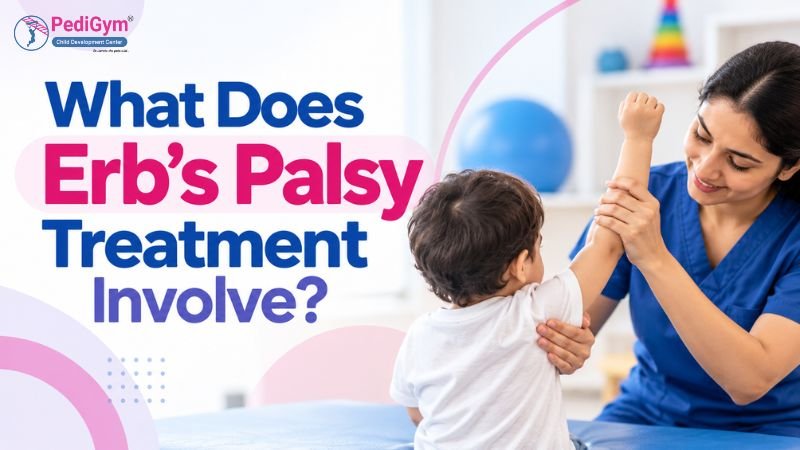
Physiotherapy can help maintain joint movement, reduce stiffness and support the development of useful movement as nerve recovery occurs. A therapist may work on:
- Gentle range-of-motion exercises
- Positioning
- Shoulder and arm movement
- Strengthening when appropriate
- Functional use of the affected arm
- Age-appropriate play activities
- Parent-guided activities at home
The exercises should be appropriate for the baby’s age, injury severity and stage of recovery. Parents should not force the affected arm through a movement.
When Should Parents Ask for Specialist Review?
If your baby can’t bend the elbow against gravity by about 3 months, ask for a specialist review. Return of elbow flexion by 2–3 months is considered an important early sign of recovery, while delayed recovery at 3 months or later is associated with a higher risk of long-term functional deficit.
This does not mean every baby who does not meet this milestone will require surgery. It means that the recovery pattern should be assessed by an appropriate specialist.
How Long Does Erb’s Palsy Recovery Take?
Recovery varies considerably depending on the severity and type of nerve injury.
NINDS notes that many children injured at birth improve or recover by 3–4 months of age.
StatPearls reports that 80% to 90% of affected infants completely recover within a few months to one year, although outcomes vary according to the severity of the injury. Some children continue to have weakness, stiffness, contractures or other functional problems.
For this reason, recovery should be monitored rather than judged from one examination or one early change in movement.
What Are the Different Stages of Erb’s Palsy Recovery?
Recovery and therapy needs change as a baby grows. The following stages provide a practical framework for understanding what parents and therapists may focus on at different ages. The exact therapy plan should always be individualised according to the child’s nerve injury, movement and recovery.
Age/Stage | What Parents and Therapists May Focus On |
Birth–2 weeks | Protecting the affected arm, safe handling, appropriate positioning and medical assessment. Forceful movement should be avoided. |
2 weeks–4 months | Gentle range-of-motion activities, positioning, monitoring spontaneous movement and encouraging age-appropriate movement as advised by the treating therapist. |
4–7 months | Encouraging active use of the affected arm, improving reaching and grasping, supporting motor development and monitoring shoulder and elbow function. |
7–12 months | Functional use of the arm during play, crawling and other age-appropriate activities, with continued attention to range of motion and strength. |
1–4 years | Supporting bilateral arm use, coordination, strength, functional independence and identifying any persistent weakness, stiffness or movement limitations. |
The timing of recovery can differ substantially between children. A baby who shows early spontaneous recovery may require a different programme from a child with persistent weakness or limited elbow movement.
When Is Surgery Considered for Erb’s Palsy?
Most babies do not automatically need surgery. Surgery may be considered when there is limited recovery despite appropriate therapy and monitoring.
StatPearls reports that approximately 20% to 30% of infants with neonatal brachial plexus palsy may be candidates for surgical consultation and possible intervention if they are not improving by 3–6 months. Recommendations about the exact timing of surgery vary according to the severity and pattern of nerve injury.
Surgical procedures may include nerve grafting or nerve reconstruction. Some children with residual problems may later require procedures such as tendon transfer or other orthopaedic surgery. Decisions should be made by a specialist team based on the child’s examination and recovery pattern.
What Are Erb’s Palsy Exercises for Babies?
Erb’s palsy exercises for babies should be gentle and guided by a qualified therapist or clinician familiar with brachial plexus injuries.
Depending on the child’s age and condition, therapy may include:
- Gentle passive range-of-motion movements
- Shoulder and arm positioning
- Supported movement during play
- Activities that encourage use of the affected arm
- Gradual strengthening when appropriate
- Parent-guided home exercises
Parents should avoid forceful stretching or exercises that cause pain. The specific exercises and frequency should be individualised rather than copied from a general online exercise list.
How Should Parents Handle a Baby’s Affected Arm?
Early handling should be gentle. Parents should support the affected arm during carrying and everyday activities and avoid pulling the baby by the affected arm.
The affected arm should not be lifted by the armpit or pulled into extreme positions. Range-of-motion activities should be introduced according to clinical advice and the baby’s stage of recovery.
An Indian clinical review on birth brachial plexus palsy describes the importance of early appropriate intervention, gentle mobilisation and parental involvement in therapy.

What Does Erb’s Palsy Rehabilitation Look Like at PediGym?
At PediGym Child Development Center, Erb’s palsy rehabilitation begins with assessment of the child’s movement and functional needs. The therapy plan is then tailored according to the child’s age, movement pattern and recovery.
Our Erb’s Palsy Program includes paediatric physiotherapy, occupational therapy and parent-led home activities. The programme may include exercises, positioning, alignment and movement strategies based on the child’s individual needs. PediGym’s Erb’s Palsy Program specifically describes comprehensive evaluation, an individualised therapy plan, paediatric physiotherapy, occupational therapy and a parent-led home programme.
The aim is to support useful movement, maintain mobility and help the child use the affected arm during age-appropriate activities.
Where Can You Get Erb’s Palsy Treatment in Delhi NCR?
We have three centres across Delhi NCR: Faridabad Sector 85, Faridabad Sector 17 and Gurugram DLF Phase 2.
Faridabad Sector 85
PediGym Child Development Center
3rd Floor, D-72, Greater, Sector 85, Faridabad, Haryana 121007
Faridabad Sector 17
PediGym Child Development Center
382, Sector 17, Faridabad, Haryana 121002
Gurugram DLF Phase 2
PediGym Child Development Center
Site No. 2120, Udgam Pre-School, 1st Floor, Behind Police Station Phase II, DLF Phase 2, Gurugram, Haryana 122002
Families looking for Erb’s palsy treatment in Faridabad, Erb’s palsy treatment in Gurugram or Erb’s palsy treatment in Delhi NCR can discuss the child’s condition with our team and determine whether an assessment is appropriate.
What Happens During Erb’s Palsy Rehabilitation?
The first step is an assessment of the child’s movement, posture, range of motion and functional use of the affected arm.
Based on the findings, therapy may focus on:
- Maintaining joint mobility
- Supporting appropriate positioning
- Encouraging active movement
- Building functional strength as recovery develops
- Using play to encourage arm use
- Teaching parents appropriate home activities
- Monitoring progress over time
Therapy frequency depends on the child’s needs and recovery stage. Parents should follow the individual programme recommended for their child rather than assuming that more exercises will always produce faster recovery.
Why Choose PediGym for Erb’s Palsy Rehabilitation?
PediGym provides specialised paediatric therapy programmes for children with developmental and movement needs, including Erb’s palsy. Our centres provide access to paediatric physiotherapy and other child-focused therapy services, with programmes tailored to individual needs.
Our approach focuses on:
- Individual assessment and therapy planning
- Paediatric physiotherapy
- Occupational therapy where appropriate
- Parent involvement in home activities
- Monitoring the child’s functional progress
- Local access through centres in Faridabad and Gurugram
Dr. Nitin Gupta, Founder of PediGym Child Development Center, is a DMI Level C Certified Therapist.
Can Erb’s Palsy Affect a Child Later in Life?
Some children recover well, while others may have longer-term effects. These can include:
- Persistent arm weakness
- Reduced shoulder movement
- Stiffness or contractures
- Differences in shoulder development
- Changes in the position or function of the arm
- Differences in arm growth or length
- Difficulty using both arms together
The risk depends on the severity of the original nerve injury and the child’s recovery pattern. Long-term monitoring can help identify movement limitations and secondary musculoskeletal changes early.
Can Erb’s Palsy Be Treated Without Surgery?
Yes. Many babies are initially managed without surgery through observation, physiotherapy, gentle movement, positioning and parent education. NINDS notes that many children improve or recover by 3–4 months.
However, non-surgical treatment does not mean that specialist monitoring is unnecessary. If recovery is limited, particularly around important milestones such as elbow flexion by approximately 3 months, specialist assessment may be recommended.
What Support Is Available for Parents?
Parents may benefit from speaking with other families who have experience with brachial plexus injuries.
The United Brachial Plexus Network (UBPN) provides information, support resources and connections for families affected by brachial plexus injuries. It is an international organisation.
The Erb’s Palsy Group is a UK-based organisation providing information and support to families affected by Erb’s palsy.
These organisations can provide additional family and peer support, but they should not replace professional medical assessment or treatment.
Frequently Asked Questions
1. What is the best treatment for Erb’s palsy?
There is no single treatment that is best for every child. Treatment depends on the severity and type of nerve injury and the child’s recovery. Physiotherapy, gentle movement, positioning and parent education are commonly used, while children with limited recovery may need specialist surgical assessment.
2. Can Erb’s palsy recover completely?
Yes, complete recovery is possible, particularly in less severe injuries. StatPearls reports that 80% to 90% of affected infants completely recover within a few months to one year, although outcomes vary.
3. When should I worry about my baby’s arm movement?
If your baby continues to have significantly reduced movement or cannot bend the elbow against gravity by about 3 months, ask for a specialist review. Elbow flexion recovery by 2–3 months is an important early indicator of outcome.
4. Can physiotherapy help Erb’s palsy?
Physiotherapy can help maintain joint mobility, support movement and reduce the risk of stiffness and contractures while the nerves recover. The programme should be adapted to the baby’s age, severity of injury and recovery pattern.
5. Does Erb’s palsy always require surgery?
No. Many children are managed initially with therapy and monitoring. Surgery may be considered when recovery is limited or the injury is severe. StatPearls reports that around 20% to 30% of infants with neonatal brachial plexus palsy may be candidates for surgical consultation or intervention when recovery is not progressing appropriately.
6. Can Erb’s palsy happen after a C-section?
Yes. Although caesarean delivery is associated with a lower risk, brachial plexus injury can still occur. StatPearls also notes that around half of neonatal brachial plexus palsy cases occur without identifiable obstetric trauma.
7. What should parents avoid when handling a baby with Erb’s palsy?
Parents should avoid pulling the affected arm, lifting the baby by the affected arm or under the affected armpit, and forceful stretching. Handling and exercises should follow the advice given by the treating clinician or therapist.
8. Where can I get Erb’s palsy treatment in Faridabad or Gurugram?
PediGym has centres in Faridabad Sector 85, Faridabad Sector 17 and Gurugram DLF Phase 2. Families can contact the centre to discuss an assessment and rehabilitation plan appropriate for their child.
Medical Disclaimer
This article is intended for general educational information and should not replace an examination, diagnosis or treatment plan from a qualified healthcare professional. Erb’s palsy and other brachial plexus injuries can vary considerably in severity, and treatment decisions should be based on the individual child’s clinical findings and recovery. If your baby has reduced arm movement, persistent weakness, pain, breathing difficulty or other concerning symptoms, seek appropriate medical evaluation. Do not start forceful exercises or stretching without professional guidance.
References
- StatPearls – Erb Palsy, NCBI Bookshelf. StatPearls – Erb Palsy
- NINDS – Erb-Duchenne and Dejerine-Klumpke Palsies. NINDS – Erb-Duchenne and Dejerine-Klumpke Palsies
- AAPM&R KnowledgeNow – Neonatal Brachial Plexus Injury. AAPM&R KnowledgeNow – Neonatal Brachial Plexus Injury
- Thatte MR, Shah HR, Hiremath A. Birth Brachial Plexus Palsy: An Indian Perspective. Seminars in Plastic Surgery. 2023;37(2):117–133. Birth Brachial Plexus Palsy: An Indian Perspective
- United Brachial Plexus Network. United Brachial Plexus Network
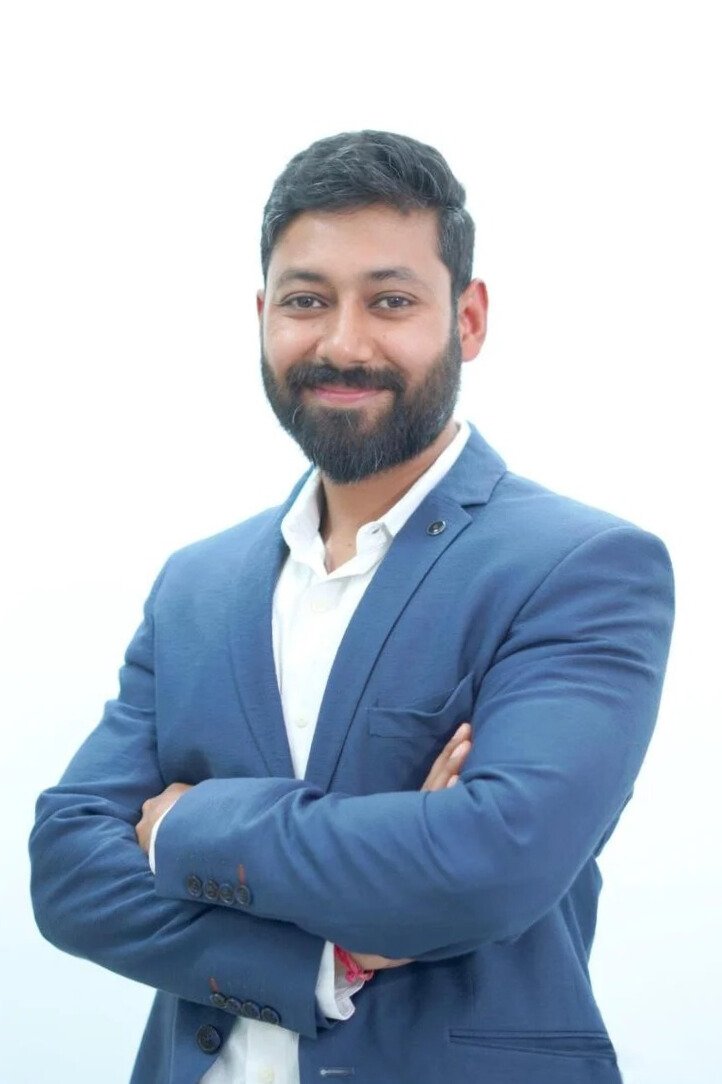
Dr. Nitin, Founder of PediGym Child Development Center, is a dedicated pediatric therapy expert and DMI Level C Certified Therapist leading structured, evidence-based therapy programs in Faridabad and Gurgaon. Under his guidance, PediGym provides comprehensive pediatric rehabilitation focused on improving motor skills, coordination, sensory processing, speech clarity, and functional independence through personalized intervention plans.