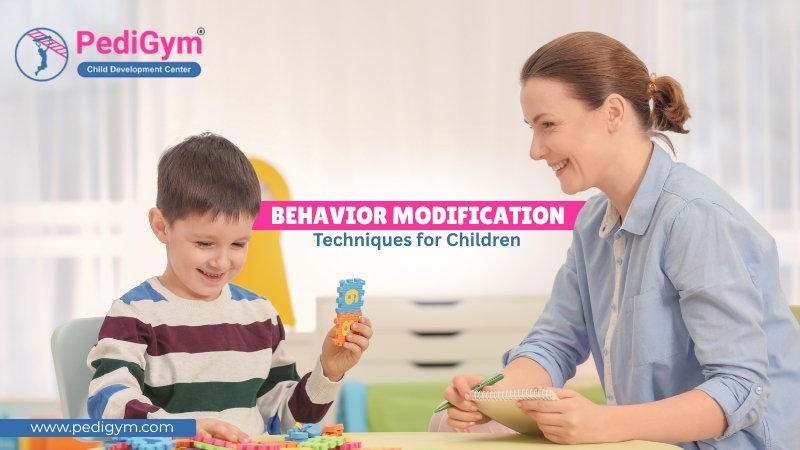
Behavior modification techniques for children focus on understanding, shaping, and improving a child’s behavior through structured, positive, and evidence-based methods. These techniques are grounded in the idea that behavior is learned and can be changed by reinforcing desirable actions while reducing challenging ones. Widely used by therapists, educators, and parents, child behavior modification techniques help children develop self-control, social skills, emotional regulation, and appropriate responses in everyday situations.
Behavior modification therapy often includes strategies such as positive reinforcement, clear routines, consistent consequences, modeling appropriate behavior, and skill-building activities. Instead of punishment, the emphasis is placed on encouragement, guidance, and teaching children what to do rather than what not to do. This approach is especially effective for children facing challenges such as attention difficulties, developmental delays, emotional regulation issues, or behavioral concerns at home or school.
What Is Behavior Modification?
Behavior modification is a therapeutic approach rooted in behavioral psychology. It focuses on identifying patterns in a child’s behavior and using structured strategies to encourage positive actions while reducing unwanted behaviors. This method does not label behaviors as “bad,” but instead looks at why a behavior happens and how it can be changed. Behavior modification therapy works on three key elements:
- Antecedents: What happens before the behavior
- Behavior: The observable action
- Consequences: What happens after the behavior
By adjusting these elements, children gradually learn more appropriate ways to express needs, emotions, and reactions.
Behavior Modification Techniques For Children
A wide range of child behavior modification techniques are used depending on the child’s age, developmental level, learning style, and specific behavioral challenges. These techniques are carefully selected and combined to promote positive behavior, emotional regulation, and functional life skills.
1. Positive Reinforcement
Positive reinforcement strengthens desirable behavior by providing immediate rewards. These rewards may be verbal praise, visual tokens, or preferred activities. Over time, external rewards are reduced as intrinsic motivation develops.
2. Token Economy System
Children earn tokens for positive behavior, which can later be exchanged for rewards. This technique helps improve consistency, motivation, and self-monitoring.
3. Behavior Contracts
Simple written or visual agreements between the child and caregiver help clarify expectations and encourage accountability.
4. Differential Reinforcement
This technique reinforces positive or alternative behaviors while minimizing attention to unwanted behavior, helping children learn appropriate responses.
5. Time-In Instead of Time-Out
Rather than isolating the child, therapists use guided interaction to teach emotional regulation and problem-solving skills.
6. Visual Schedules and Cue Cards
These tools reduce anxiety, improve transitions, and help children understand routines—especially beneficial for children with developmental or sensory challenges.
Tips for Successful Behaviour Modification Therapy
For behavior modification therapy to be effective and sustainable, consistent collaboration between caregivers, therapists, and educators is essential. When everyone follows the same approach, children feel secure and learn faster.
- Use the same rules and expectations across environments
Consistency between home, school, and therapy sessions helps children understand boundaries and reduces confusion. - Reinforce positive behavior more frequently than correcting negative behavior
Praising and rewarding appropriate behavior increases motivation and encourages long-term behavioral change. - Keep instructions short, clear, and age-appropriate
Simple and direct communication improves understanding and compliance, especially for young children. - Monitor triggers and patterns in behavior
Identifying what causes certain behaviors helps caregivers respond proactively and prevent escalation. - Celebrate small progress to maintain motivation
Acknowledging even minor improvements builds confidence and keeps children engaged in the therapy process.
At Pedigym, families receive structured guidance, practical strategies, and ongoing support to successfully apply behavior modification techniques at home and school, ensuring consistent progress beyond therapy sessions.
What Types of Therapy Can Help with Behavioral Modification?
Behavior change is most effective when behavior modification therapy is combined with complementary therapeutic approaches. Each therapy addresses different factors that influence a child’s behavior, creating a well-rounded intervention plan.
Applied Behavior Analysis (ABA) – Applied Behavior Analysis uses structured behavior modification techniques to improve learning, attention, communication, and social interaction. ABA focuses on understanding behavior patterns and reinforcing positive responses through systematic teaching methods.
Occupational Therapy – Occupational therapy supports emotional regulation, sensory processing, and daily living skills that directly impact behavior. By addressing sensory sensitivities and self-regulation challenges, children are better able to manage emotions and responses.
Speech and Language Therapy – Speech therapy reduces behavior challenges that arise from communication difficulties. When children learn to express needs, emotions, and thoughts effectively, frustration-related behaviors decrease significantly.
Play Therapy – Play therapy provides a safe, natural environment for children to express emotions, develop social skills, and cope with anxiety. Through guided play, children learn problem-solving, emotional awareness, and self-control.
Who Can Benefit from Behavior Modification Therapy?
Behavior modification therapy is beneficial for children who experience ongoing behavioral or emotional challenges that affect their daily functioning.
- Frequent tantrums or meltdowns
- Aggressive or impulsive behavior
- Difficulty following instructions
- Social and peer interaction challenges
- Attention and self-regulation difficulties
- Sensory processing or developmental delays
Early behavior modification therapy plays a critical role in improving emotional development, academic readiness, and social participation, helping children build skills that support long-term success.
Benefits of Behavior Modification Therapy
Consistent and structured use of behavior modification techniques helps children develop essential life skills that support their overall growth and well-being. With regular practice and guidance, children experience positive and lasting changes in behavior.
- Develop emotional control and self-awareness
Children learn to recognize their emotions, manage frustration, and respond more calmly to challenging situations. - Improve attention and task completion
Structured strategies help children stay focused, follow routines, and complete tasks with greater consistency. - Strengthen communication and social skills
By learning appropriate ways to express needs and interact with others, children build healthier relationships. - Reduce stress for families and caregivers
Clear strategies and predictable routines create a more positive environment, improving family relationships and daily functioning.
Overall, behavior modification therapy supports both children and families by promoting positive behavior, emotional balance, and long-term developmental success.
Role of Parents in Behavior Modification Therapy
Parents play a crucial role in reinforcing therapeutic progress. With proper training, caregivers can:
- Identify triggers and early signs of behavior escalation
- Respond calmly and consistently
- Encourage positive behavior at home
- Support emotional development in daily routines
Pedigym actively involves families to ensure long-term success.
Why Choose Pedigym for Behavior Modification Therapy?
At Pedigym, we follow a child-centered and evidence-based approach to help children build positive behaviors and essential life skills. Our programs are designed to support both the child and the family for long-term success. Pedigym offers:
- Individualized assessment and goal setting
Each child is carefully evaluated to understand their strengths, challenges, and behavioral needs, allowing us to create personalized therapy goals. - Evidence-based child behavior modification techniques
We use proven therapeutic strategies that promote positive behavior, emotional regulation, and functional skill development. - Experienced multidisciplinary therapists
Our team includes trained professionals from multiple therapy disciplines who work together to address all aspects of a child’s development. - Family-focused intervention plans Parents and caregivers are actively involved and guided to reinforce behavior modification strategies at home and school.
When to Seek Professional Help?
If a child’s behavior affects learning, relationships, or daily life for an extended period, professional support may be needed. Early behavior modification therapy can prevent challenges from becoming long-term concerns.
Conclusion
Behavior is learned—and with the right guidance, it can be reshaped. Through structured behavior modification techniques, children gain the tools they need to manage emotions, follow routines, and interact positively with others. At Pedigym, our comprehensive behavior modification therapy programs empower children and families to build lasting, meaningful change.

Dr. Nitin, Founder of PediGym Child Development Center, is a dedicated pediatric therapy expert and DMI Level C Certified Therapist leading structured, evidence-based therapy programs in Faridabad and Gurgaon. Under his guidance, PediGym provides comprehensive pediatric rehabilitation focused on improving motor skills, coordination, sensory processing, speech clarity, and functional independence through personalized intervention plans.