
Occupational therapy is a specialized form of care that helps individuals of all ages develop, recover, or maintain the skills needed for daily living and independence. It focuses on enhancing physical, cognitive, and emotional abilities through structured therapeutic activities. The different types of occupational therapy—including pediatric, physical rehabilitation, mental health, geriatric, and sensory integration therapy—each address unique needs and challenges.
For children, occupational therapy for autism and developmental delays helps improve motor coordination, focus, and social interaction. Adults recovering from injury or illness benefit from customized exercises that restore mobility and confidence, while seniors gain support to stay active and independent. At centers like PediGym Occupational Therapy Center in Faridabad, therapy is conducted in a well-equipped occupational therapy room designed to create a safe, engaging, and motivating environment.
Understanding What Is Occupational Therapy?
Occupational Therapy (OT) is a healthcare profession that helps people of all ages develop, recover, or improve the skills needed for daily living and working. It focuses on enabling individuals to participate fully in everyday activities — known as “occupations” — such as self-care, play, learning, and social interaction.
At its core, occupational therapy helps bridge the gap between a person’s abilities and their environment. For children, it means improving fine motor skills, balance, sensory processing, attention, and self-care abilities. For adults, it often involves regaining function after an injury, surgery, or neurological condition like stroke or Parkinson’s. Occupational therapists use tailored activities, exercises, and environmental modifications to promote independence and well-being. Sessions often take place in a dedicated occupational therapy room, which is designed with sensory equipment, fine-motor tools, and adaptive devices.
1. Pediatric Occupational Therapy — Building Strong Foundations
Overview:
Pediatric OT focuses on helping children reach developmental milestones. It’s essential for kids who face difficulties in fine motor skills, sensory processing, coordination, or attention.
What happens in therapy:
Children engage in play-based activities designed to strengthen hand-eye coordination, muscle tone, posture, and attention span. Sessions may take place in a colorful occupational therapy room filled with swings, balance boards, and toys that challenge movement and coordination.
Benefits:
- Improves handwriting and pencil grip
- Enhances balance and body awareness
- Builds confidence in social and classroom activities
- Supports self-care independence (buttoning, feeding, dressing)
Special note: Pediatric OT plays a crucial role in occupational therapy for autism, helping children manage sensory sensitivities, improve communication through structured play, and develop routine flexibility.
2. Sensory Integration Therapy — Understanding the Senses
Overview:
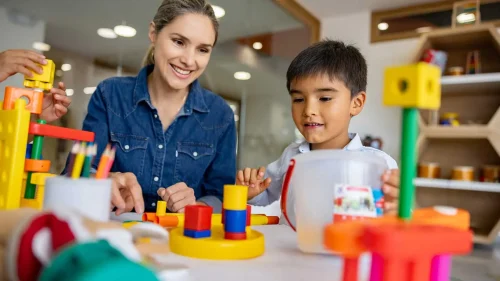
Sensory Integration (SI) therapy is a specialized branch of OT that helps children process and respond to sensory information from the environment. Many children with autism, ADHD, or developmental delays benefit from sensory-based therapy.
What happens in therapy:
Sessions take place in an occupational therapy room equipped with textured mats, weighted vests, swings, and tactile toys. The therapist provides carefully graded sensory experiences that challenge the child’s ability to organize and respond appropriately.
Benefits:
- Improves attention and focus
- Reduces sensory overload or emotional meltdowns
- Enhances emotional regulation
- Promotes better participation in school and social environments
Example: A child who dislikes loud sounds or textures learns to tolerate them gradually, building resilience and adaptability in daily life.

3. Neurological and Rehabilitation Occupational Therapy — Regaining Independence
Overview:
This type focuses on adults recovering from injury, stroke, spinal cord damage, or neurological disorders such as Parkinson’s disease and multiple sclerosis.
What happens in therapy:
Therapists use repetitive task training, adaptive equipment, and home modifications to restore strength and coordination. For instance, patients may practice lifting objects, using adaptive cutlery, or performing self-care routines safely.
Benefits:
- Restores fine and gross motor control
- Promotes cognitive retraining and memory recall
- Increases independence in activities of daily living (ADL)
- Reduces long-term caregiver dependence
Real-life example: After a stroke, OT helps individuals re-learn how to brush their teeth, cook a meal, or write again — giving them a sense of normalcy and dignity.
4. School-Based or Developmental Occupational Therapy
Overview:
School-based OT supports children who struggle in classroom environments due to handwriting issues, attention deficits, or motor coordination difficulties.
What happens in therapy:
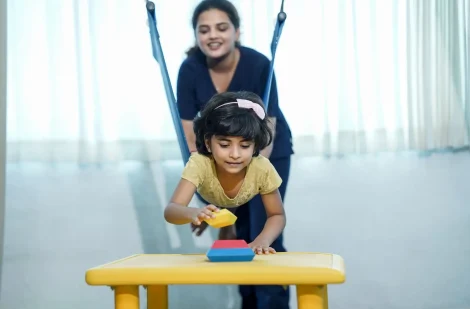
Therapists collaborate with teachers and parents to adapt classroom settings. Activities may include fine-motor tasks like cutting with scissors, posture training for desk work, and visual-motor coordination games.
Benefits:
- Enhances handwriting and speed
- Improves posture and focus in class
- Reduces frustration and anxiety in academic settings
- Builds organizational and coping skills
Example: A student with poor handwriting learns through guided tracing, hand strengthening, and sensory breaks to improve performance and confidence.

5. Hand Therapy and Orthopedic Occupational Therapy
Overview:
This branch focuses on treating injuries or conditions of the upper limb, including fractures, arthritis, tendon injuries, and post-surgical recovery.
What happens in therapy:
Therapists use techniques like splint fabrication, manual therapy, and strengthening exercises to restore mobility and dexterity. Activities are goal-oriented — such as grasping a pen, opening jars, or typing.
Benefits:
- Increases range of motion and grip strength
- Reduces pain and stiffness
- Improves hand-eye coordination
- Enables quicker return to daily and work activities
Example: After a wrist fracture, an OT helps retrain the hand through graded exercises, ensuring smooth return to normal function.
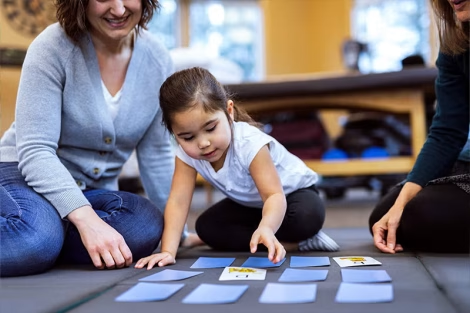
Inside the Occupational Therapy Room — The Heart of Healing
An occupational therapy room is more than just a clinic space — it’s a therapeutic environment designed for growth and exploration. It includes:
- Sensory zones with swings, climbing frames, and tactile walls
- Fine motor stations for grasp, writing, and dexterity training
- Gross motor areas for balance and coordination activities
- Quiet corners for emotional regulation and calming
At PediGym, the occupational therapy center in Faridabad features such well-structured rooms, ensuring every child receives an engaging and safe experience. The environment itself becomes a teaching tool that inspires progress.
Occupational Therapy for Autism — Building Confidence and Connection
For children on the autism spectrum, occupational therapy for autism is essential in addressing sensory challenges, improving communication, and enhancing social participation.
Therapeutic goals may include:
- Managing sensory overload through deep pressure or movement activities
- Building attention and concentration for learning
- Encouraging transitions between activities with structured visual cues
- Improving coordination for play and sports
Outcome: Children become calmer, more responsive, and better able to express themselves — leading to improved confidence at home and school.
Benefits of Occupational Therapy — Across All Types
Regardless of age or condition, occupational therapy offers life-changing results:
- Promotes physical, cognitive, and emotional development
- Builds daily living skills and self-sufficiency
- Reduces behavioral issues linked to sensory or motor challenges
- Strengthens family understanding and participation
- Enhances school performance and social adaptability
Why Choose PediGym Occupational Therapy Center in Faridabad?
At PediGym, our team of certified occupational therapists follows an evidence-based, child-friendly approach. Our occupational therapy center in Faridabad is equipped with a modern sensory integration room, safe play zones, and personalized assessment tools. We specialize in:
- Occupational therapy for autism and developmental delays
- Sensory integration and motor skills enhancement
- Early intervention and school readiness programs
Our goal is to help every child achieve their fullest potential through compassionate care and fun, structured therapy.
Conclusion
Understanding the types of occupational therapy helps families make informed decisions about care. Whether your child needs sensory regulation, handwriting improvement, or developmental support, the right OT plan can transform their journey. At PediGym, therapy isn’t just about treatment — it’s about empowering every child to thrive in school, at home, and in life.

Dr. Nitin, Founder of PediGym Child Development Center, is a dedicated pediatric therapy expert and DMI Level C Certified Therapist leading structured, evidence-based therapy programs in Faridabad and Gurgaon. Under his guidance, PediGym provides comprehensive pediatric rehabilitation focused on improving motor skills, coordination, sensory processing, speech clarity, and functional independence through personalized intervention plans.